Mobile App Development · Fintech & Banking
Fintech Mobile App Development
Banking, lending, and investing apps with account linking, KYC, and secure money movement at the core.
NDA on request · Free, no-obligation estimate · Reply within one business day

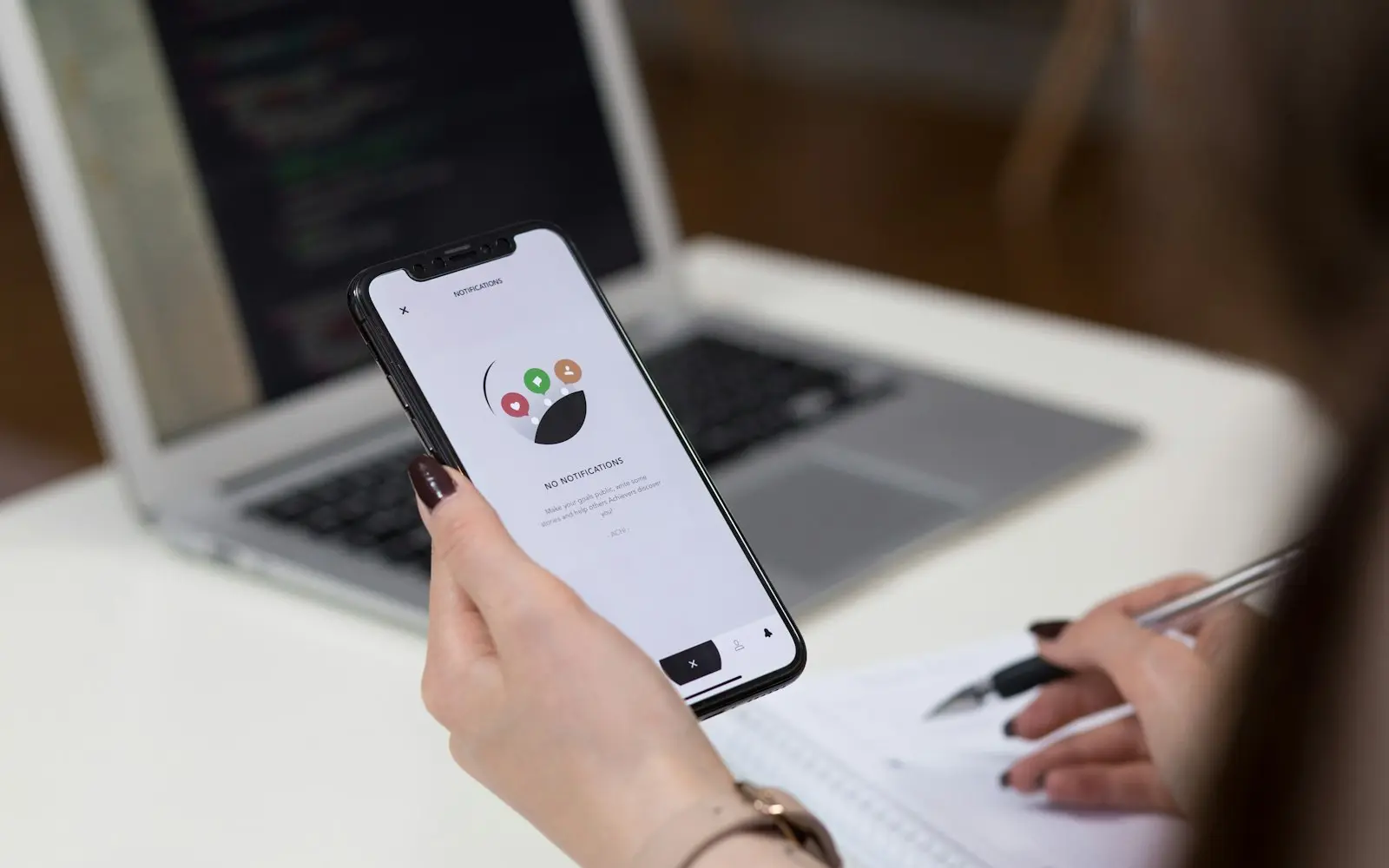
Fintech mobile app development begins with a harder trust problem than most categories. The user is about to link a bank account or move money, and a single confusing screen can make them delete the app. Consumer banking, lending, and investing apps share one baseline requirement, which is protecting account numbers and transaction history while feeling as fast as the neobank the user compared against yesterday.
The build work concentrates around a handful of recurring problems. Bank-account linking through Plaid or a similar aggregator has to handle the accounts that reject it outright, credit unions with weak API support being a common failure case. Biometric login has to sit behind a session model that logs a user out the moment the app backgrounds, since a lost phone with an unlocked banking app is a real liability. KYC identity verification during signup needs to catch fraudulent documents without also rejecting legitimate users whose new phone camera struggles with glare.
We build these apps with the transaction ledger, the KYC flow, and the push notification content all treated as regulated data from day one rather than retrofitted after a security review flags them.
The problem
How fintech & banking projects differ
Bank-account linking fails silently for some institutions
Plaid, Finicity, and MX cover most major banks, but smaller credit unions and some international accounts return partial data or reject the connection outright. The app needs a manual account-entry fallback so those users still get through onboarding.
Session handling has to assume the phone will be lost
A banking app that stays logged in indefinitely turns a lost or stolen phone into an open bank account. Sessions need to expire on backgrounding and require biometric or PIN re-entry, tuned carefully so it doesn't also log out a user who switched apps for ten seconds to copy a code.
KYC document capture has a high false-rejection rate
Camera-based ID capture during onboarding drops a meaningful share of legitimate signups over glare, cropping, or low light, and each rejected user is a lost customer. The capture flow needs real-time feedback during the photo, ahead of submission.
Push notifications are a common phishing vector
Fraudsters spoof bank-style push notifications to bait users into fake login pages. Transaction alerts need consistent wording and formatting so a spoofed copy is easy for the bank's own security team to flag quickly.
Scope
Features we often include
Bank-account linking via Plaid or Dwolla
Read-only account verification and ACH transfer initiation that avoids asking the user to enter a routing number by hand.
Biometric login with session expiry
Face ID and fingerprint unlock paired with automatic logout on backgrounding and a configurable inactivity timeout.
KYC identity verification
Document and selfie capture routed through an identity verification provider like Persona or Onfido, with retry guidance built into the capture step.
Real-time transaction alerts
Push notifications for spending, deposits, and failed payments, worded consistently to avoid the vague phrasing fraudsters imitate.
In-app card controls
Freeze, replace, and set spending limits on a linked card without a phone call to support.
Budgeting and account aggregation views
A single screen showing balances across linked accounts, refreshed on a schedule that respects each aggregator's rate limits.
Two-factor authentication
SMS, authenticator app, and passkey options so losing a phone number doesn't lock a user out permanently.
Compliance and standards
- PCI DSS
- KYC/AML
- PSD2
- GDPR
Common integrations
- Plaid
- Stripe
- Dwolla
- Persona
- Apple Pay
- Google Pay
Approach
How these projects run
We treat the KYC flow, the transaction ledger, and every notification template as regulated surfaces from the first sprint, so a compliance-minded reviewer looks at wireframes before a single screen is built. Card and account data stay tokenized through the payment processor; our app layer never stores a full card or account number.
Builds ship to TestFlight and a Play Console closed track every two weeks, with the aggregator connection and the biometric session logic tested against real bank sandbox accounts early, since that integration is usually the first thing to break under load.
Typical stack
Related solutions
Systems in this space
- Payment Gateway IntegrationSafe payment processor integration with idempotent webhooks, tokenized card data and reconciliation that catches mismatches early.
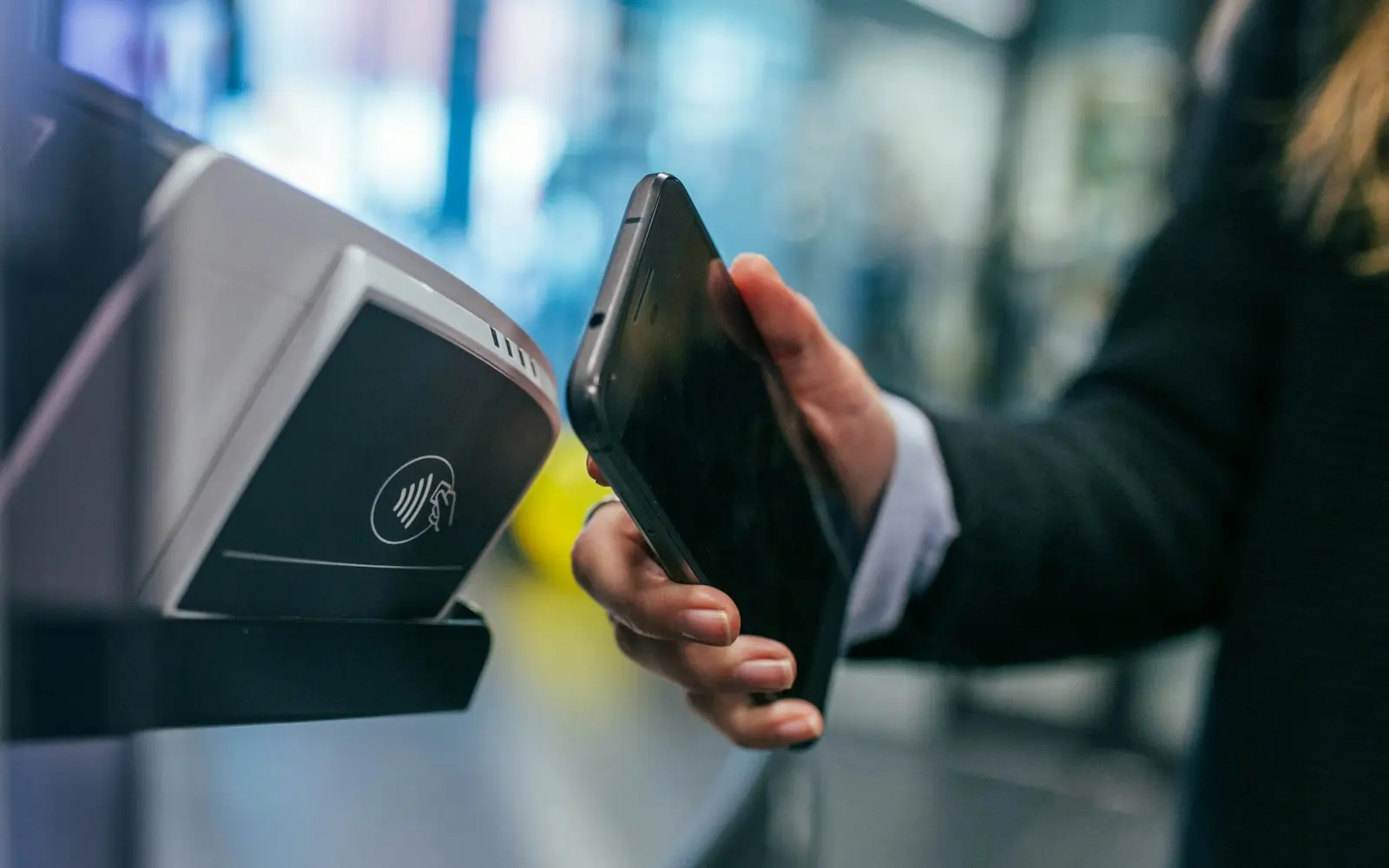
- MVP DevelopmentWe turn a product idea into a working release centered on the one assumption you need to prove, rather than a cut-down version of the entire vision.

- Customer Portal DevelopmentA login area where your customers see their own orders, invoices and support cases, connected to the systems that already store that data.

FAQ
Frequently asked questions
How long does it take to build a fintech app with bank account linking?
A consumer app with Plaid-based account linking, biometric login, and basic transaction alerts usually takes four to six months. Adding card issuing, KYC document verification, or a lending decision engine extends that by two to three months, since each needs its own sandbox testing cycle with the provider.
Do you handle PCI DSS compliance for card payments?
We build the app so card numbers never touch our servers, routing capture and storage through a PCI DSS-compliant processor like Stripe. That reduces your PCI scope to the lighter self-assessment questionnaire, though running the compliance program remains your organization's responsibility.
Which bank account aggregator should a fintech app use, Plaid or Finicity?
Plaid has broader US bank coverage and mature developer tooling, while Finicity, owned by Mastercard, often has stronger relationships with regional banks for underwriting use cases. We typically start with Plaid and add a second aggregator only when account-linking failure rates justify it.
How do you prevent KYC verification from rejecting real customers?
We add real-time capture feedback, such as glare and cropping warnings, before the document is submitted, and calibrate the verification provider's confidence threshold against test data from our own signup flow rather than the vendor's default. That combination brings false rejections down without loosening fraud detection.
Can you add biometric login to an existing banking app?
Yes. We audit the current session and token handling first, since biometric unlock has to sit in front of a session model that already expires correctly. Most retrofits take three to five weeks and leave the account-linking and transaction layers untouched.
Explore
Keep exploring
- ServiceMobile App Development
- IndustryFintech & Banking software development
- Fintech & BankingFintech AI Development
- Fintech & BankingCustom Fintech Software Development
- Fintech & BankingFintech SaaS Development
- Mobile App DevelopmentEducation Mobile App Development

- Mobile App DevelopmentFitness App Development

- Mobile App DevelopmentRestaurant App Development

Insights
Further reading
- 7 min readFlutter vs React Native for Your Next AppFlutter vs React Native compared on performance, native API access, team skills and cost, to help you choose the right cross-platform framework.
- 7 min readWhat Mobile App Development CostsMobile app development cost runs from $25,000 for a simple utility app to $300,000+ for a two-platform app with offline sync and payments.
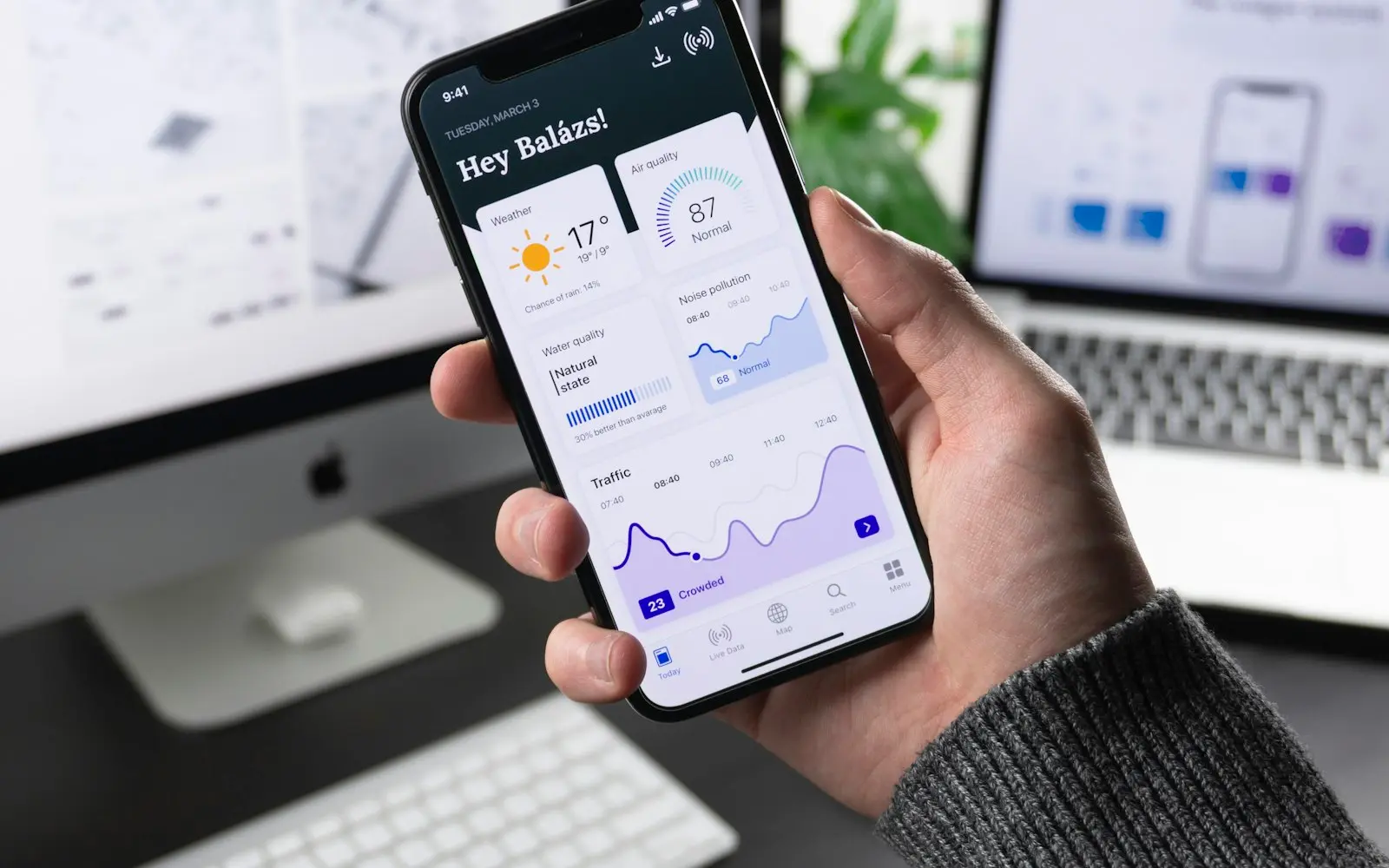
Plan fintech mobile app development with a free estimate
Send a short description of the project. A senior engineer reads each request and answers with questions, next steps and an early budget range.