Solution
MVP Development
We turn a product idea into a working release centered on the one assumption you need to prove, rather than a cut-down version of the entire vision.
NDA on request · Free, no-obligation estimate · Reply within one business day
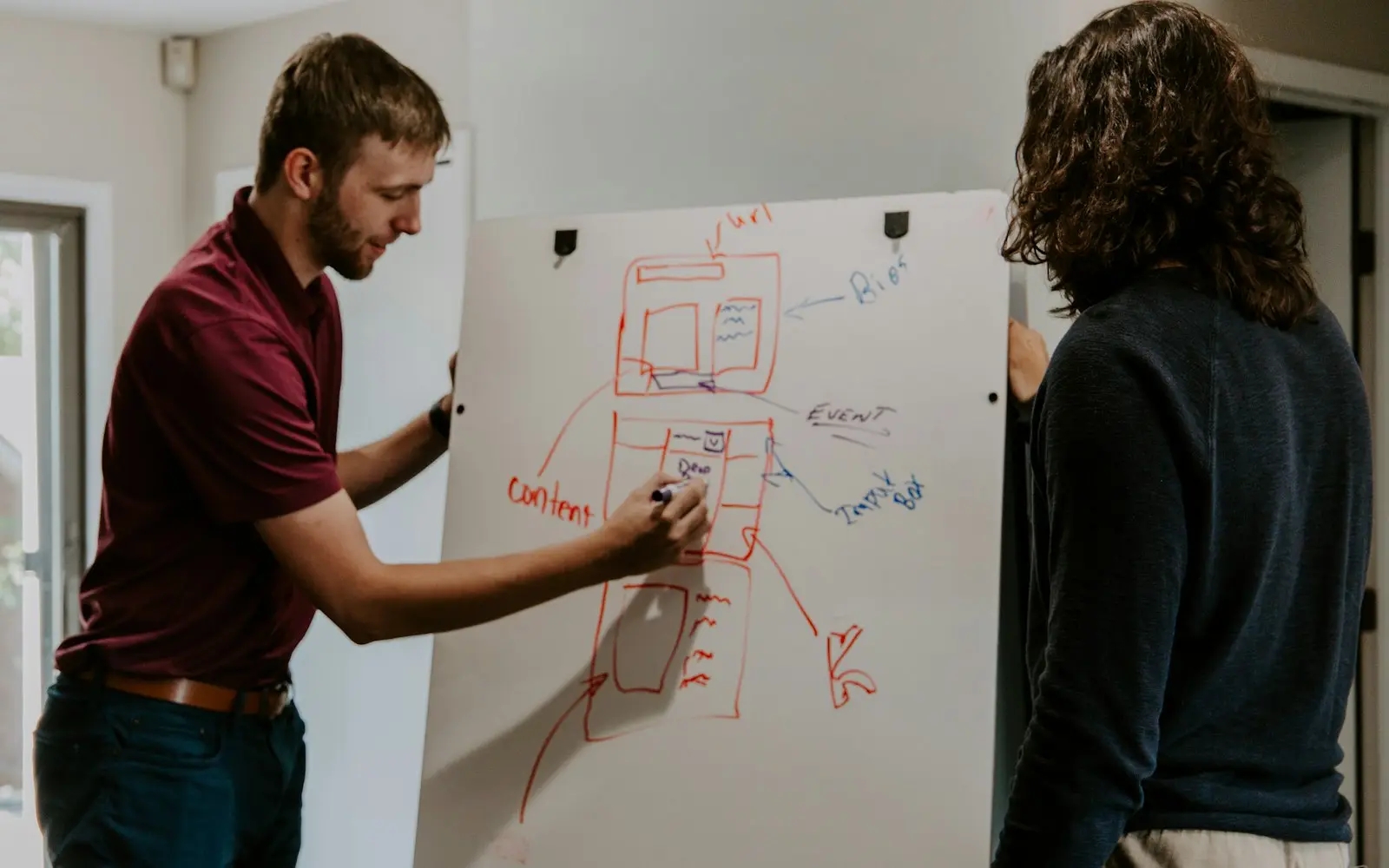
A minimum viable product is the smallest release that lets a real person do the one thing your idea depends on. It tells you whether they will pay, keep using it or refer someone else before you spend a year building everything else.
We work with founders ahead of a seed round, product teams inside an existing company testing a new line of business, and teams that outgrew a no-code prototype the moment real users, real data, or real permissions showed up. The output is a working product with your name on the repository, not a demo that has to be rebuilt to survive contact with users.
Scope
Core features
One core workflow, deliberately
We start by naming the single job the product has to do and cutting everything that does not serve it. Account settings, admin polish, and secondary flows wait until the core assumption is proven.
Authentication sized to the stage
Email or social login and a two-role model, admin and user, cover almost every early product. Full role-based access control gets added when a second customer segment actually needs it.
Usage analytics wired in from commit one
Event tracking goes in before the first user does, so retention and activation numbers exist for the next investor conversation instead of being reconstructed after the fact.
Payments only when willingness to pay is the hypothesis
When the question is whether people will pay, a hosted checkout goes in early. When it is not, we skip it rather than spend budget on infrastructure the test does not need.
An internal screen for you
A small admin view to see signups, issue refunds, and unblock a stuck account without writing SQL against production, built alongside the customer-facing product.
Error tracking from day one
Failures surface in a monitoring tool before a user has to report them by email, which matters more in the first month than at any later point.
A deploy pipeline that ships changes daily
Continuous deployment from the first week means the product can change based on what the first users actually do, not on a release calendar.
Handoff documentation that a new hire can read
A short architecture note, environment setup instructions, and a README mean the product is a real asset if you raise, hire an in-house team, or switch vendors.
Architecture
Choices that shape the build
Data model choices that survive a pivot
We model the two or three entities the product actually depends on with room to extend, rather than designing a schema for a scale the product does not have yet.
Hosting that does not force a rewrite at ten times the users
Managed infrastructure that scales from ten users to ten thousand without an architecture change matters more early on than infrastructure tuned for a load you may never reach.
Security basics that are not optional at any stage
Hashed passwords, HTTPS everywhere, secrets kept out of the repository, and dependency scanning are cheap to build in from the start and expensive to retrofit once an enterprise pilot asks about them.
Cutting scope instead of cutting quality
Dropping a feature is reversible. Shipping a broken version of the one workflow the product depends on is not, so scope is where we cut when time is short.
Code ownership from the first commit
The repository is yours from day one, which means the MVP remains an asset even if the next step is raising, hiring, or moving the work in-house.
Build vs buy
When to build and when to buy
No-code tools including Bubble, Glide, Softr, and Webflow paired with Zapier are often the right call for testing whether an idea has demand at all, and we say so when a two-week no-code build can answer the question a custom build would take two months to answer. They fall short once the product needs a data model more complex than the tool's native objects, custom permissions across more than two roles, or performance the platform was not built for.
Custom development earns its cost when the business logic is the product, when the data model is expected to scale past what a no-code platform's database can handle, or when a fundraising process needs due-diligence-ready engineering rather than a tool a technical investor will immediately ask to see behind.
Delivery
How delivery is phased
Scope cut
We turn the product vision into a single core workflow and write down what is explicitly out of scope, so later requests get evaluated against a real decision instead of relitigated. This typically takes a few days to a week.
Build the core workflow
Engineering focuses on the one workflow end to end, including the unglamorous parts like error states and empty states, before any secondary feature gets touched. Scope and team size decide how long this runs; a single-workflow MVP typically takes several weeks.
Test with real users and instrument everything
The product goes in front of a small group of real users, not the internal team, with analytics already capturing what they do and where they stop.
Launch and plan the real roadmap
We ship the public release, then use the first weeks of usage data to decide what gets built next, rather than guessing the roadmap at the same time as the first release.
Technology
Stack we usually choose
FAQ
Questions about MVP Development
How long does it take to build an MVP?
It depends on how tightly the core workflow is scoped. A single-workflow web MVP with authentication and basic analytics typically takes six to twelve weeks; adding payments, a native mobile app, or a second user role extends that. We give a firm estimate once scoping is done.
What is the difference between an MVP and a prototype?
A prototype demonstrates an idea, often with fake data or a design tool, and is meant to be thrown away. An MVP is production software that real users can sign up for, use, and pay through, built on infrastructure that keeps working as usage grows.
Should I use a no-code tool or custom code for my first version?
If the goal is to learn whether anyone wants the product at all, a no-code build in Bubble or Glide can answer that in weeks at a fraction of the cost. Move to custom code once the data model, permissions, or performance the product needs outgrows what the no-code platform supports.
Who owns the code after the MVP is built?
You do. The repository is set up under your account from the first commit, and there is no license fee or lock-in to keep using or extending the product afterward.
What happens after the MVP proves the idea works?
The usage data from the launch, not the original pitch, drives the next roadmap. That often means hardening the parts that were deliberately left thin, adding the roles or integrations real customers asked for, and, if traction supports it, a move toward a full saas development engagement.
Services
Services this draws on
- Custom Software DevelopmentWe build software around the processes your business already runs on, so operations no longer depend on spreadsheets, workarounds and tools never built for your workflow.

- Web Application DevelopmentWe build the logged-in side of your product, including dashboards, portals and workflow tools that handle real data volume, permissions and concurrent users.

- Mobile App DevelopmentWe build native and cross-platform mobile apps, handle App Store and Play Store submission, and design for the offline gaps and device permissions a phone has to cope with.
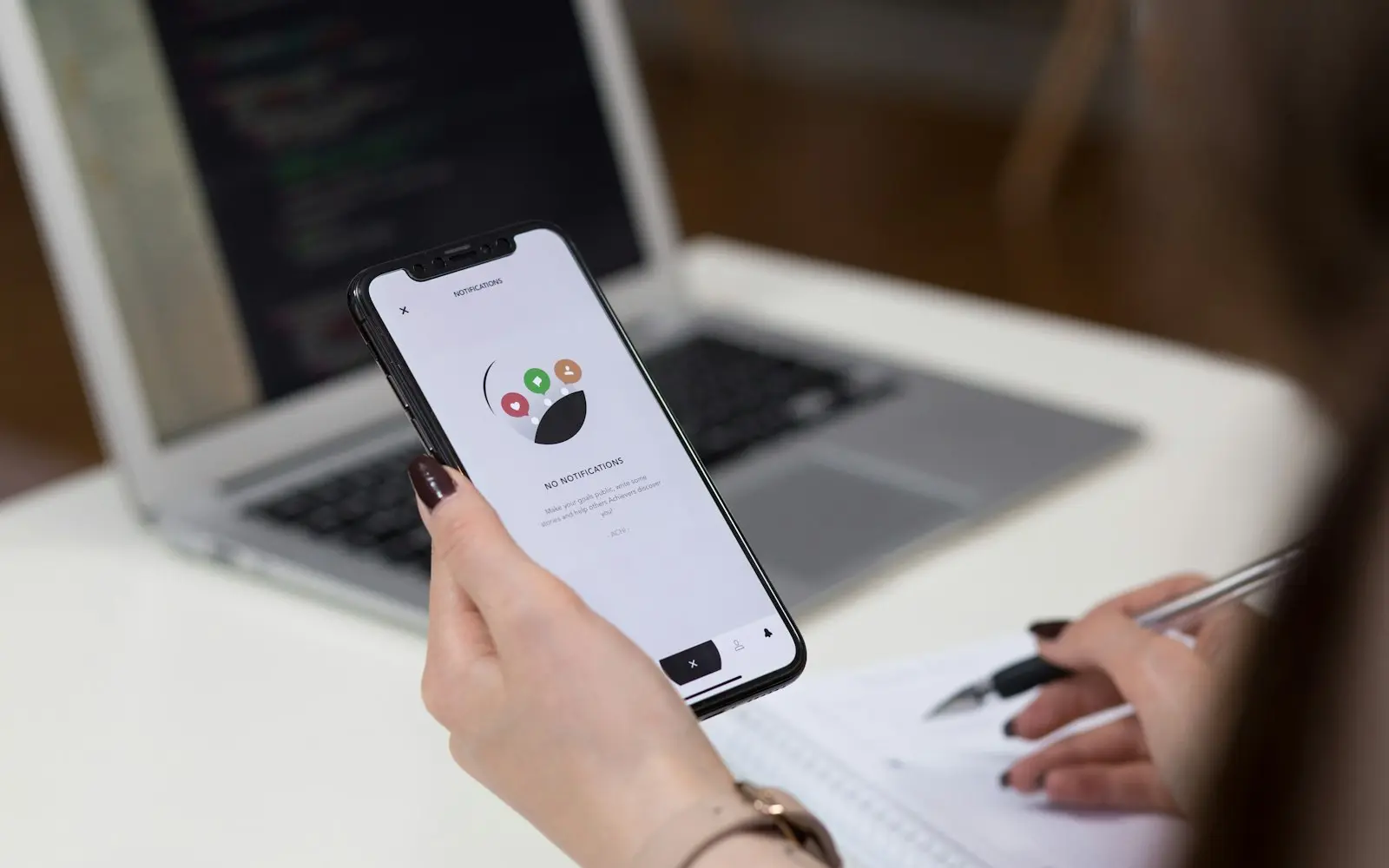
- UI/UX DesignResearch, flows and prototypes tested with real users, then handed to engineering as a working Figma design system instead of a static file.

Industries
Industries that commission this
- Fintech & BankingFinancial software with KYC/AML checks and PCI DSS-aligned payment flows designed in from the schema onward, with ledgers that reconcile to the cent.

- HealthcareClinical and patient-facing software that meets HIPAA technical safeguards and connects to the EHR your care teams already work in.

- Retail & E-commerceInventory, POS and storefront software that stays synchronized across every channel, with EDI connected for your wholesale partners.

- Professional ServicesEngagement management, time tracking and client portals designed around how consulting and advisory firms bill for their time.

Insights
Further reading
- 7 min readWhat Mobile App Development CostsMobile app development cost runs from $25,000 for a simple utility app to $300,000+ for a two-platform app with offline sync and payments.
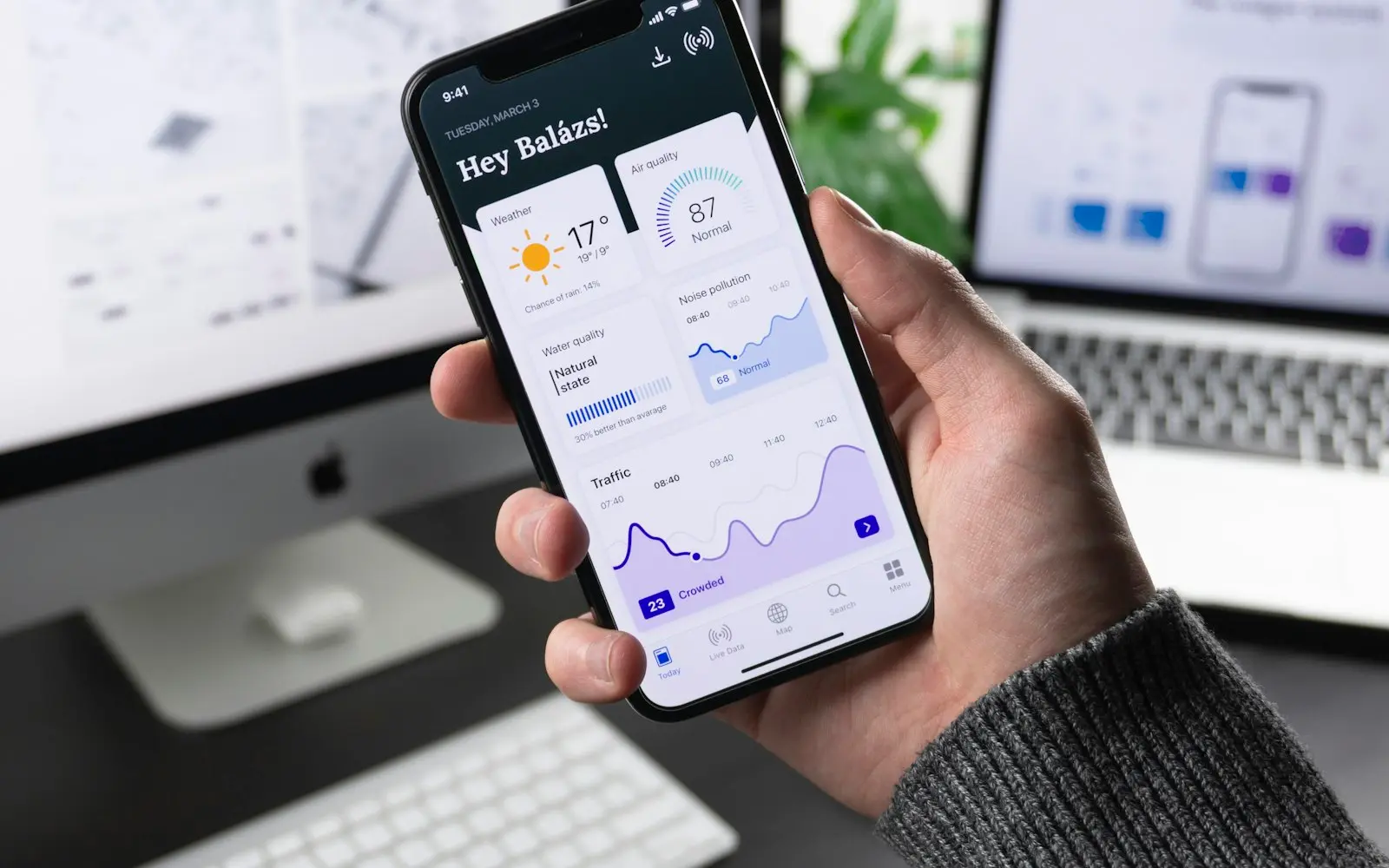
- 6 min readWhat Custom CRM Development Cost Looks LikeCustom CRM development cost starts near $40,000 for a focused pipeline tool and reaches $250,000+ for a multi-team platform with automation and reporting.

- 7 min readCustom Development vs No-Code ComparedCustom development vs no-code tools, compared on build speed, cost at scale, and where each approach holds up as your workflows grow more complex.

Discuss your mvp development project
Send a short description of the project. A senior engineer reads each request and answers with questions, next steps and an early budget range.