Who we work with
Custom Software for Small Businesses
We phase custom work around your cash flow, connect the tools you already pay for, and tell you plainly when buying beats building.
NDA on request · Free, no-obligation estimate · Reply within one business day

Custom software for a small business only pays off once the tools you already pay for stop matching how you work. Most small businesses run on a handful of subscriptions, such as accounting software, a CRM, a scheduling tool and a spreadsheet holding the rest together, and the real gap usually sits in the seam between two or three of them and seldom involves a missing platform.
Budget rarely covers a full system in one project, so the honest first conversation is often about what to buy rather than build. A tool you already pay for that covers most of the requirement is usually the right call, even when that means a smaller project for us. Custom work earns its place at the seams: an integration between systems that don't talk to each other, or a workflow that's genuinely different from how competitors run.
Maintenance is the cost most small businesses underestimate. Without a dedicated IT hire, someone still has to apply security patches and respond when a payment processor changes its API. Budgeting for that ongoing cost from the start, rather than treating launch day as the finish line, usually decides whether a first project still holds up a year later.
The problem
What small businesses usually run into
Deciding whether to buy, configure or build
Most requirements can be solved by a tool you can subscribe to this week. Working out which piece genuinely needs a custom build, rather than better configuration of what you already own, is the first and most valuable decision.
A budget that has to be phased
Few small businesses can fund a full system in one project. Work usually needs splitting into phases that each stand on their own, so value shows up, and spending can pause, after any single phase.
Tools that don't talk to each other
Accounting software, a CRM and a scheduling tool each do their job alone, and the real cost shows up as staff time spent re-entering the same customer or order details between them by hand.
No dedicated IT staff to maintain anything
Once a system is live, someone has to apply security patches and respond when a payment processor or shipping API changes behavior. Most small businesses need that handled externally rather than by a hire they can't yet justify.
Outgrowing a plan built for a different size of company
A generic small-business plan on a SaaS platform works until transaction volume or staff count crosses a threshold it wasn't designed for, leaving the business paying for workarounds around a tool that no longer fits.
How we adapt
How we work differently for you
Engagement
Projects are scoped in phases with a defined stopping point after each one, rather than as a single multi-month contract, so a business can bank the value of phase one before committing budget to phase two.
Team
A single senior developer who can own the whole system, backed by design and QA support as needed, usually covers a first build and the maintenance that follows it, without the overhead of a larger team.
Process
Discovery starts by mapping what already exists, the accounting system, the CRM, the spreadsheet everyone actually uses, before proposing anything new, since replacing a working tool for no reason adds cost without adding value.
Budgeting
Costs break into a first phase sized to a realistic small-business budget, with later phases quoted only once the first is running and the business has real usage data to decide whether to continue.
Maintenance
A maintenance plan is scoped alongside the build itself, covering patches, dependency updates and a defined response time if something breaks, so the system doesn't become unsupported the day the project ends.
Projects
Systems we usually deliver
Connecting a CRM and accounting system
A small integration layer keeping customer and invoice data in sync between two subscriptions the business already pays for, removing a recurring manual re-entry task.
Replacing a spreadsheet with a small internal tool
A purpose-built booking, quoting or inventory tracker for a workflow that outgrew a shared spreadsheet, sized to the team that will actually use it.
A customer-facing portal for order status
A simple self-service view that cuts down on phone and email requests for information customers can check themselves.
Automating an approval or invoicing workflow
Replacing an email-based approval chain with a small workflow tool, often built on top of software the business already owns.
Ongoing maintenance for a system already in production
Security patching, dependency upgrades and small feature requests for a system built earlier, priced separately from the original project.
Engagement
Ways to work with us
Engagements for small businesses are almost always phased and fixed-price per phase, since predictable cost matters more than flexibility when a budget is set once a year rather than backed by outside funding. Each phase ships something that runs in production on its own, before the next phase gets approved.
Maintenance is quoted as its own ongoing arrangement rather than assumed into the build price, typically a monthly or quarterly retainer sized to the system's complexity.
FAQ
Frequently asked questions
Should we buy software or build something custom?
Start by pricing what you can subscribe to this week. If an existing tool covers most of the requirement, buying or configuring it is usually cheaper and faster. Custom development earns its cost once you're paying for a workaround every month, or once no combination of tools covers the workflow.
Can a custom project be broken into phases we pay for separately?
Yes, and for a small business it's usually the right structure. Each phase stands on its own in production, so you can stop after any phase and decide whether to continue based on what the previous one delivered.
What happens after launch if something breaks and we don't have an IT team?
That's what a maintenance plan covers: monitoring, security patches and a defined response time for anything that breaks, priced and scoped separately from the build.
Can you connect the software we already pay for instead of replacing it?
Often, yes. Integrating a CRM, accounting platform and scheduling tool you already use is usually cheaper than replacing all three, and it's the first option we look at.
Do you work with businesses that only need a small project?
Yes. A single integration, a small internal tool or a scoped automation project is common work for us, not a stepping stone to a larger sale.
Services
Services we usually start with
- Custom Software DevelopmentWe build software around the processes your business already runs on, so operations no longer depend on spreadsheets, workarounds and tools never built for your workflow.

- Business Process AutomationWe build approval, onboarding and invoice workflows on n8n, Make, Zapier or Power Automate, and write custom code where the connector runs out.
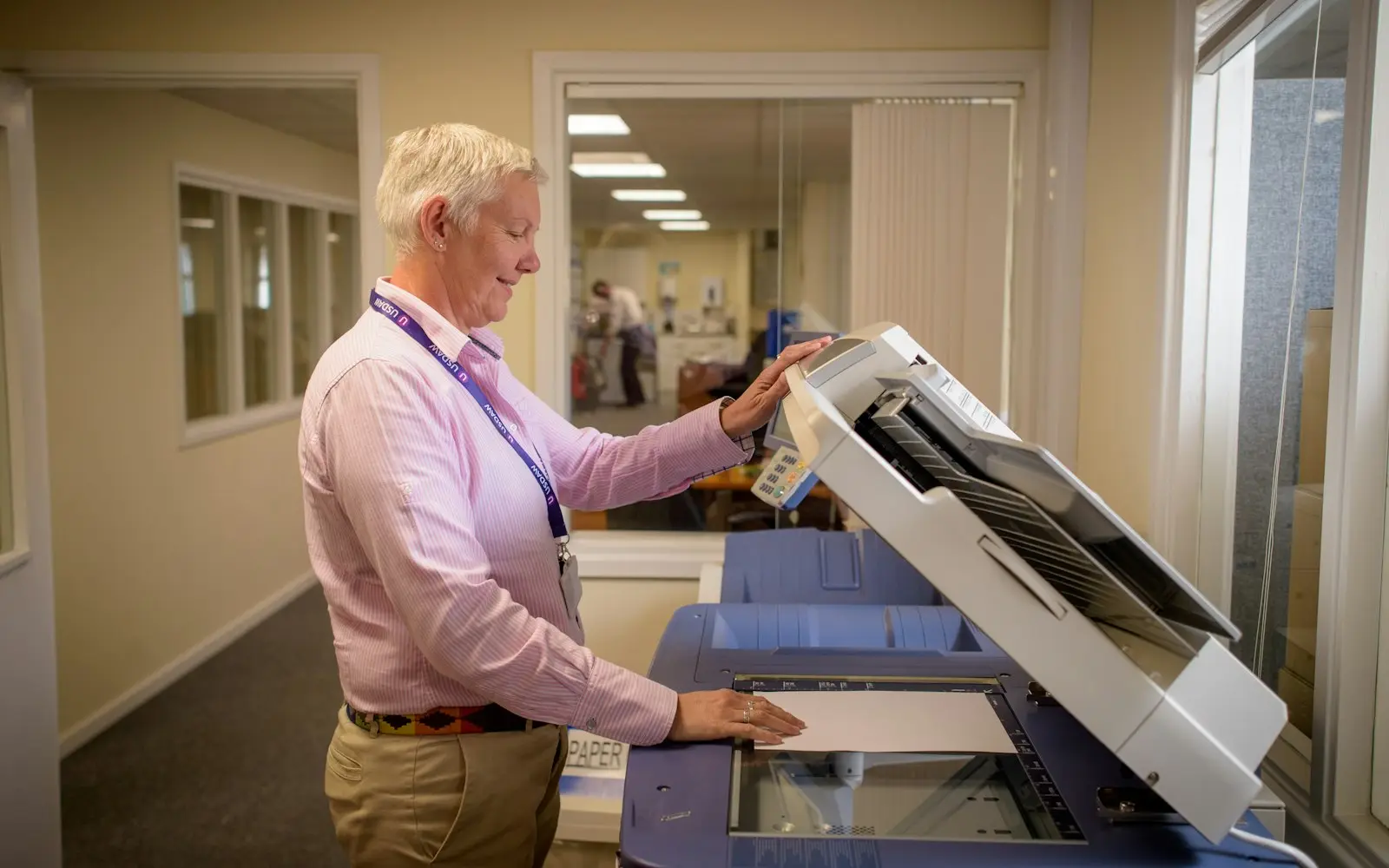
- Software Maintenance & SupportInherited codebases, security patches and dependency upgrades handled by a team that keeps production running under a defined support SLA.
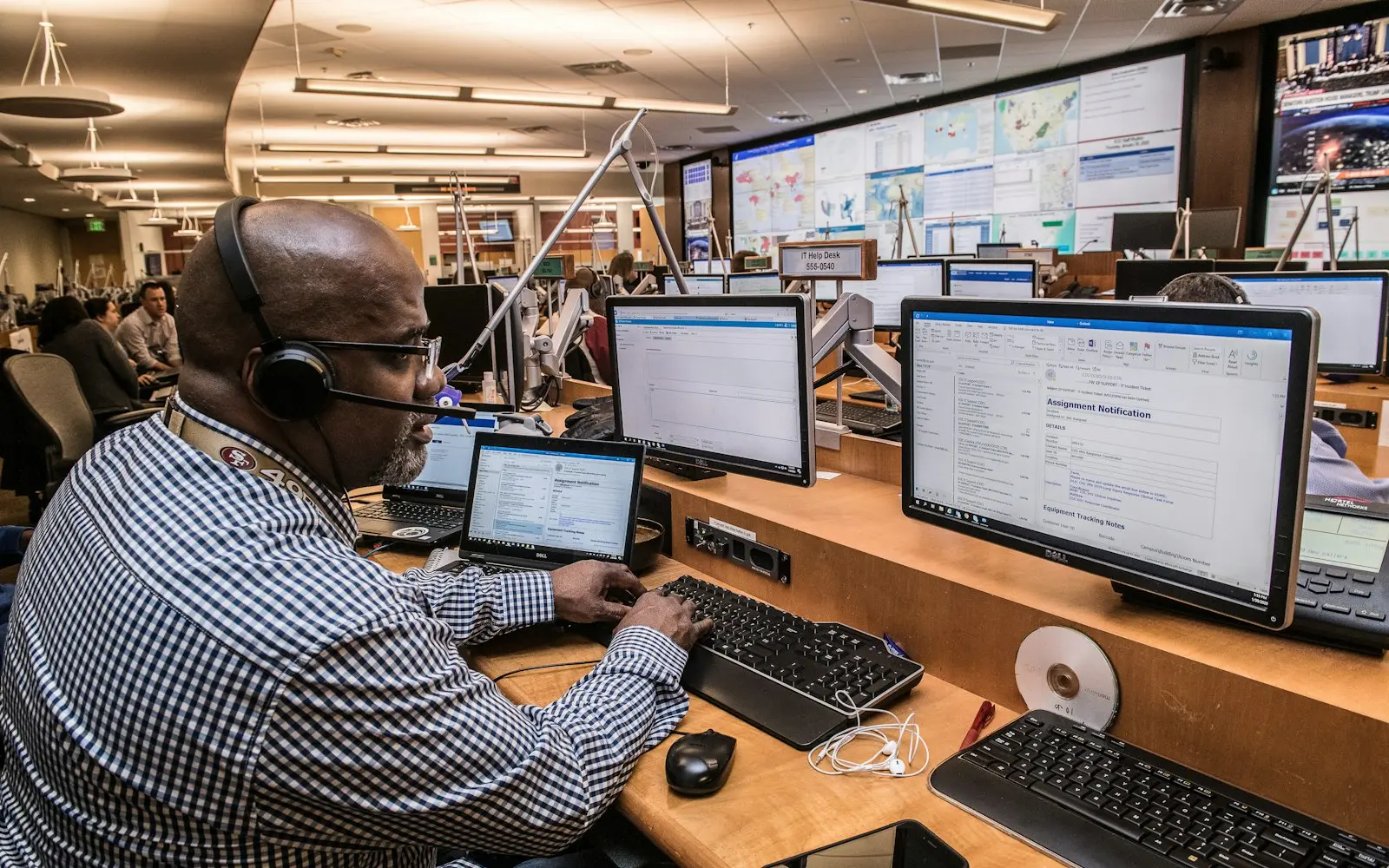
- Web DevelopmentWe build company websites, content platforms and headless front ends that load fast, rank in search and send your sales team a steady flow of form submissions.
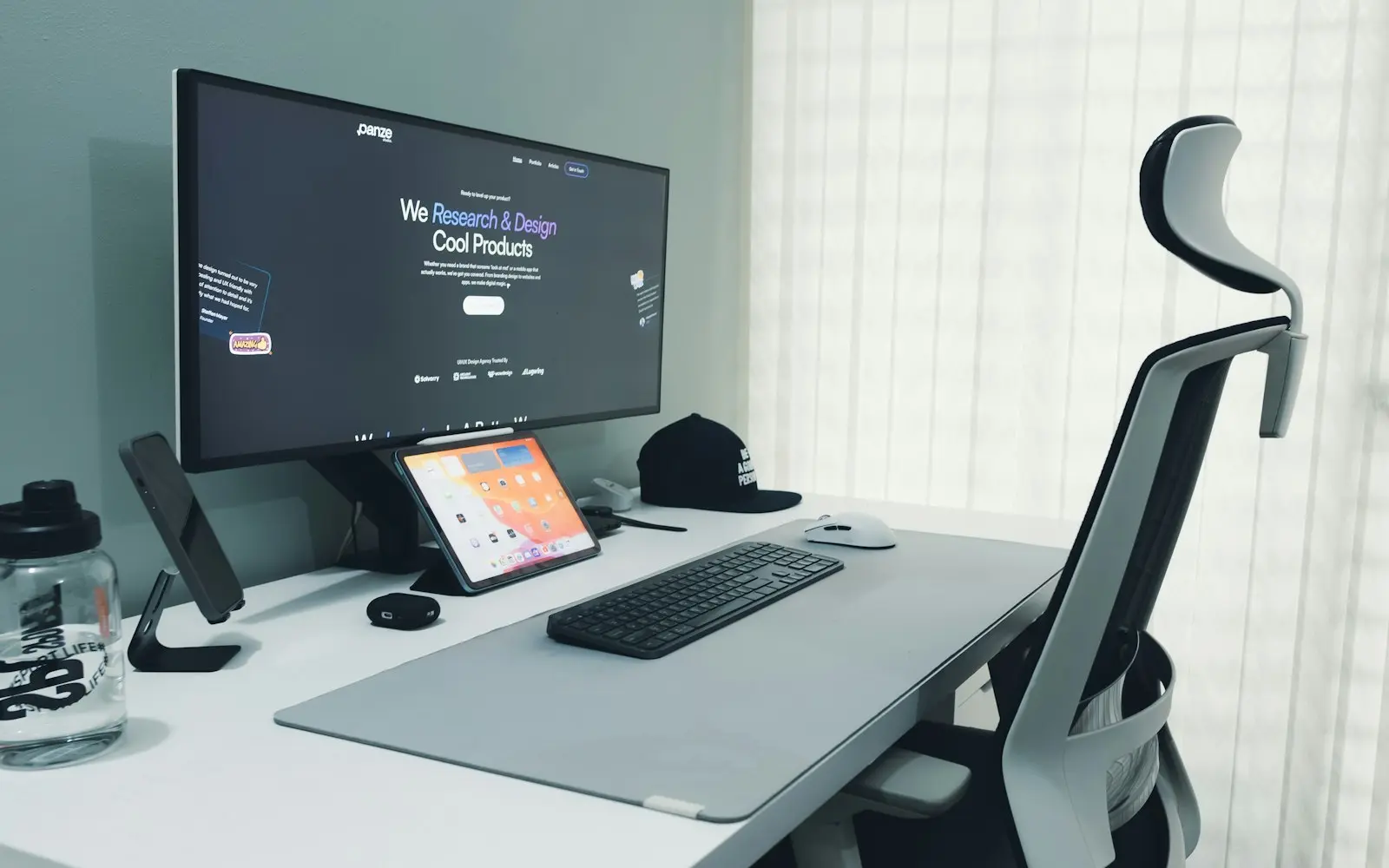
- Web Application DevelopmentWe build the logged-in side of your product, including dashboards, portals and workflow tools that handle real data volume, permissions and concurrent users.

Solutions
Common systems
- Internal Tools & Admin DashboardsBack-office software where your team can look up, edit and act on production data safely, replacing the spreadsheet or the direct database query.

- System IntegrationConnecting the CRM, ERP, billing and internal systems you already run, so data moves between them with nobody copying it by hand.

- Booking & Scheduling SystemsScheduling software designed around your staff, resources and rules, covering buffer times, deposits, calendar sync and no-show handling.

- Inventory Management SystemsStock tracking across warehouses and sales channels that prevents overselling and gives you a reorder point you can rely on.

Industries
Industries we often work in
- Retail & E-commerceInventory, POS and storefront software that stays synchronized across every channel, with EDI connected for your wholesale partners.

- Professional ServicesEngagement management, time tracking and client portals designed around how consulting and advisory firms bill for their time.

- Food & BeverageRecipe costing, allergen labeling and lot traceability designed around the POS and kitchen systems your locations already use.

- Fitness & WellnessClass booking, membership billing and wearable data sync for studios and gyms that have grown past Mindbody or Glofox.

Insights
Further reading
- 7 min readCustom Development vs No-Code ComparedCustom development vs no-code tools, compared on build speed, cost at scale, and where each approach holds up as your workflows grow more complex.

- 8 min readWhat Custom Software Development CostsCustom software development cost runs from $15,000 for a simple internal tool to $500,000 or more for enterprise platforms. This guide covers what drives it.

- 7 min readFixed Price vs Time and Materials ContractsFixed price vs time and materials decides who carries scope risk, how change requests run, and what a software project costs. See how to choose.

Also
Other kinds of clients
- Software Development for StartupsWe scope MVPs around the hypothesis you most need to test, then build them clean enough to survive due diligence and a later handover to your own team.

- Enterprise Software DevelopmentWe work within your security review and procurement process, integrate with legacy systems you cannot replace overnight, and plan for the change management a rollout requires.

- White Label Software DevelopmentWe deliver under your brand, sign NDA and non-solicitation terms at the outset, and transfer code ownership to your client as your own team would.

Have something to build?
Send a short description of the project. A senior engineer reads each request and answers with questions, next steps and an early budget range.