No-cost estimateNDA available

Industry

Food and Beverage Software Development

Recipe costing, allergen labeling and lot traceability designed around the POS and kitchen systems your locations already use.

NDA on request · Free, no-obligation estimate · Reply within one business day

NDA signed before we start
Full IP ownership on payment
Your repository from the first commit
Live demo at the end of every sprint
Built by senior engineers
How we work

Restaurant groups, food manufacturers and beverage producers manage both margins and safety obligations through one set of records: the current cost of a recipe, the allergens it contains, and the supplier lot that went into each batch or plate. Food and beverage software development mostly involves keeping those records accurate while recipes, prices and suppliers shift weekly. A stale allergen label or a broken link between a lot number and a finished product becomes a real liability beyond a bookkeeping error.

We integrate with the POS systems these businesses already run, Toast, Square, and Lightspeed among them, so sales data, menu changes, and pricing stay consistent across every location instead of drifting apart the moment someone updates a menu at one site and not the others. Recipe costing engines tie ingredient prices directly to the menu, so a supplier price increase shows up as a margin change immediately rather than at the next manual recalculation.

Delivery aggregators, Uber Eats, DoorDash, and Deliveroo among them, get connected through an integration hub that keeps menu items and pricing consistent across every channel, rather than a separate tablet per platform that someone has to update by hand.

The problem

The hard parts of food & beverage software

  • POS data that doesn't agree across locations

    Toast, Square, and Lightspeed each hold their own version of the menu and pricing, and a change made at one location through a POS terminal directly, rather than through a central system, quietly falls out of sync with every other site.

  • Recipe costing that lags actual ingredient prices

    A recipe costed against last quarter's supplier prices looks profitable on paper while actually losing money on every plate, and the gap only shows up once someone manually recalculates margins after the fact.

  • Allergen labels that don't move when the recipe does

    A recipe change made in the kitchen, swapping an oil or a thickener, needs to update the allergen label everywhere that dish appears, on the menu, the POS, and any delivery platform, or the label becomes actively wrong rather than just outdated.

  • HACCP records still living on paper

    Temperature logs and critical control point checks recorded on a clipboard are slow to audit, easy to falsify under time pressure, and nearly impossible to search when a health inspector or an internal audit asks for a specific date.

  • Lot traceability that takes days instead of hours

    When a supplier issues a recall, tracing which batches, plates, or finished products used the affected lot depends on how well lot numbers were captured at receiving and carried through production, and a manual, spreadsheet-based process turns a same-day recall into a multi-day one.

  • Delivery aggregators fragmenting the menu

    Uber Eats, DoorDash, and Deliveroo each hold their own copy of the menu, and a price change or an item pulled from the physical menu for running out doesn't automatically update on every platform unless the systems are actually connected.

What we build

Food & Beverage systems we build

  • POS integration across Toast, Square, and Lightspeed

    Sales, menu, and pricing data sync from a central system out to every location's POS, so a menu update happens once and reaches every terminal and channel that needs it.

  • Recipe costing tied to live ingredient prices

    Ingredient costs update from supplier price data, and recipe margins recalculate automatically, so a price change surfaces as a margin change the same day rather than at the next manual review.

  • Allergen and nutritional labeling tied to the recipe database

    Allergen and nutritional information generates directly from the recipe's actual ingredients, so a recipe change updates the label everywhere that dish appears instead of requiring a manual label update per channel.

  • HACCP digital record keeping

    Temperature checks and critical control point monitoring get logged digitally at the point of capture, timestamped and searchable, replacing a clipboard that a health inspector has to flip through page by page.

  • Lot and batch traceability

    Supplier lot numbers get captured at receiving and carried through production to the finished product, so a recall query returns every affected plate, batch, or shipment in minutes rather than days.

  • Delivery aggregator integration hubs

    Menu items, pricing, and availability sync out to Uber Eats, DoorDash, and Deliveroo from one source, so pulling an item for running out removes it everywhere at once.

  • Depletion-based inventory and supplier ordering

    Inventory counts down as recipes get sold, triggering supplier reorders before a kitchen actually runs out of an ingredient mid-service.

  • Direct online ordering

    A branded ordering site or app that takes orders without the aggregator's commission, built on the same menu and pricing data as the POS and delivery integrations.

Regulations and standards we design for

  • HACCP critical control point record-keeping requirements for food safety, built into digital logs rather than paper checklists.
  • FDA Food Code and local health department requirements for temperature logging and food handling records.
  • US allergen labeling requirements under FALCPA for the major food allergens that must be disclosed on packaging and menus.
  • EU Food Information to Consumers (FIC) Regulation for allergen and nutritional labeling on products sold in the EU.
  • PCI DSS requirements for any POS or online ordering system that processes card payments.
  • GDPR and UK GDPR for platforms handling customer data collected through online ordering or loyalty programs in the EU and UK.

Platforms we integrate with

  • Toast
  • Square
  • Lightspeed
  • Uber Eats, DoorDash, and Deliveroo delivery APIs
  • QuickBooks and Xero for accounting
  • Supplier ordering and EDI platforms

Lot traceability that turns a recall into hours, not days

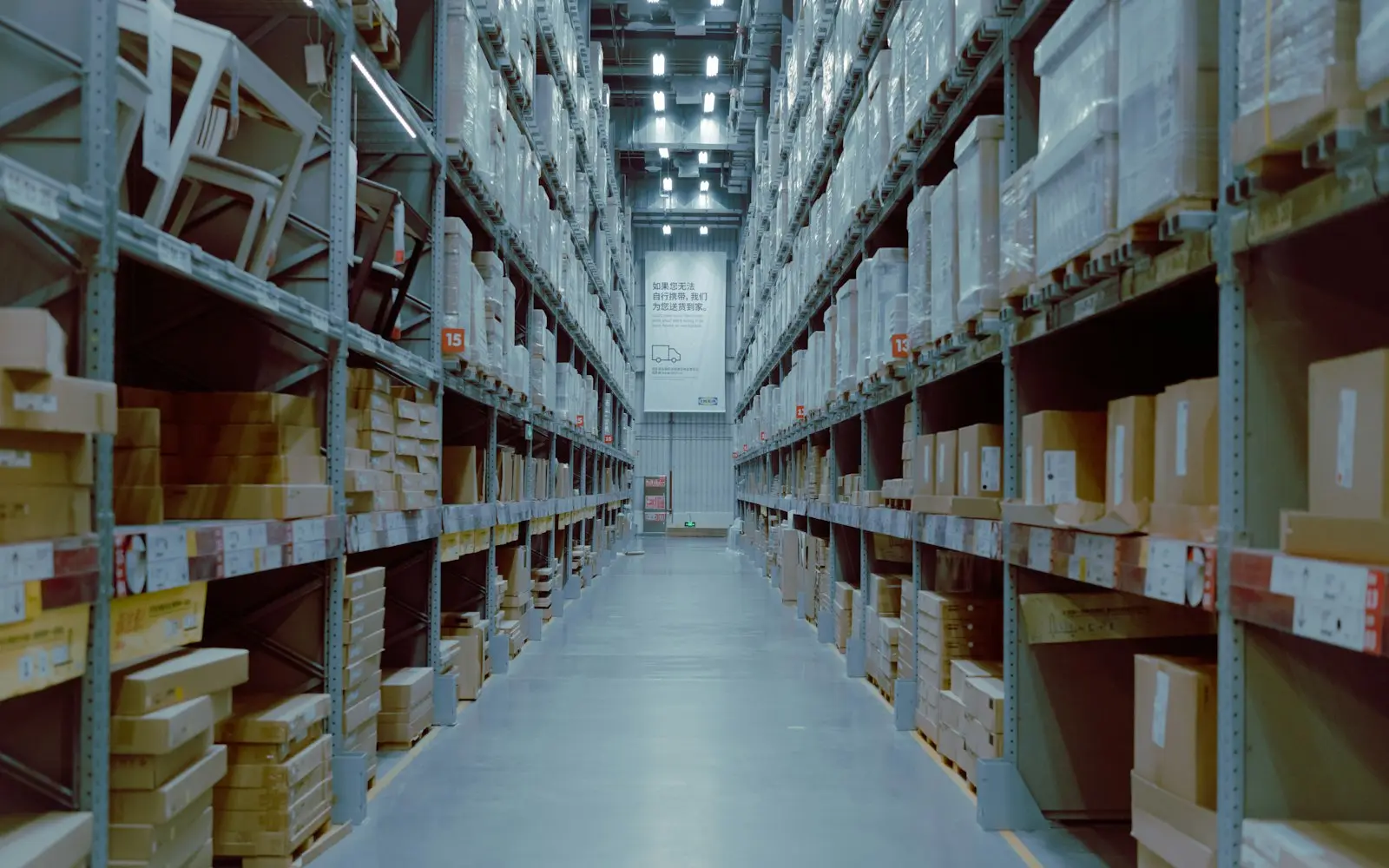
A recall response is only as fast as the weakest link in how lot numbers were captured, and that link is almost always the receiving dock, where a lot number gets written on a sticky note or skipped entirely under time pressure.

We build lot capture into the receiving workflow itself, scanned or entered at the point ingredients arrive, and carried through every production step that touches that lot. When a supplier issues a recall, a single query returns every batch, plate, or shipment that used the affected lot, instead of someone manually cross-referencing invoices against a production schedule.

  • Lot numbers captured at receiving, not reconstructed after the fact
  • Lot data carried through every production and packaging step
  • Recall queries return affected batches in minutes
Keeping allergen labels correct when recipes change weekly

A kitchen that adjusts recipes constantly, swapping a supplier, changing a thickener, seasonal menu updates, needs allergen labeling that reads from the recipe database directly rather than a label someone updates by hand and eventually forgets to.

When an ingredient changes, the allergen and nutritional information recalculates for every dish that uses it and pushes out to the menu, the POS, and any delivery platform showing that item, closing the gap between a recipe change and a label that reflects it.

Delivery aggregators without losing margin or menu consistency

Running a menu across Uber Eats, DoorDash, and Deliveroo separately from the in-house POS creates two failure modes, a price or availability change that only reaches some channels, and a commission structure that erodes margin further than the operator realizes until someone adds it up. An integration hub keeps the menu and pricing in one place and gives operators a single view of what each channel actually costs against direct orders.

Technology

Technologies we typically use

FAQ

Food & Beverage software FAQs

Can you integrate with Toast, Square, or Lightspeed POS systems?

Yes. We build against each platform's own API to sync sales, menu, and pricing data centrally, so a menu change made once reaches every location and channel using that POS rather than requiring a separate update per terminal.

How does lot traceability work for a recall?

Supplier lot numbers get captured at receiving and carried through every production step that touches that lot. When a recall happens, a single query returns every batch, plate, or shipment that used the affected lot, rather than a manual cross-reference through invoices and production logs.

Do you build HACCP digital record keeping to replace paper logs?

Yes. Temperature checks and critical control point monitoring get logged digitally at the point of capture, timestamped and searchable, so an audit or inspection can pull a specific date's records in seconds instead of flipping through a clipboard.

Can menu changes automatically update allergen labels across locations?

Yes, when allergen data is generated from the recipe database rather than entered manually per channel. A recipe change recalculates the allergen and nutritional information and pushes the update to the menu, POS, and any delivery platform showing that item.

How do you integrate with Uber Eats, DoorDash, and Deliveroo without losing margin?

Menu items, pricing, and availability sync from one source out to every aggregator, so operators see what each channel actually costs against direct orders in one place, rather than managing pricing separately per platform tablet.

Can recipe costing update automatically when supplier prices change?

Yes. Ingredient costs tie directly to the recipe, so a supplier price change recalculates the recipe's margin immediately rather than waiting for a manual review to catch it.

Talk to us about your food & beverage project

Send a short description of the project. A senior engineer reads each request and answers with questions, next steps and an early budget range.

Get your free estimate