ERP Development · Food & Beverage
Food and Beverage ERP Software
ERP for recipe management, allergen tracking, and lot traceability that cuts a recall investigation from days to hours.
NDA on request · Free, no-obligation estimate · Reply within one business day

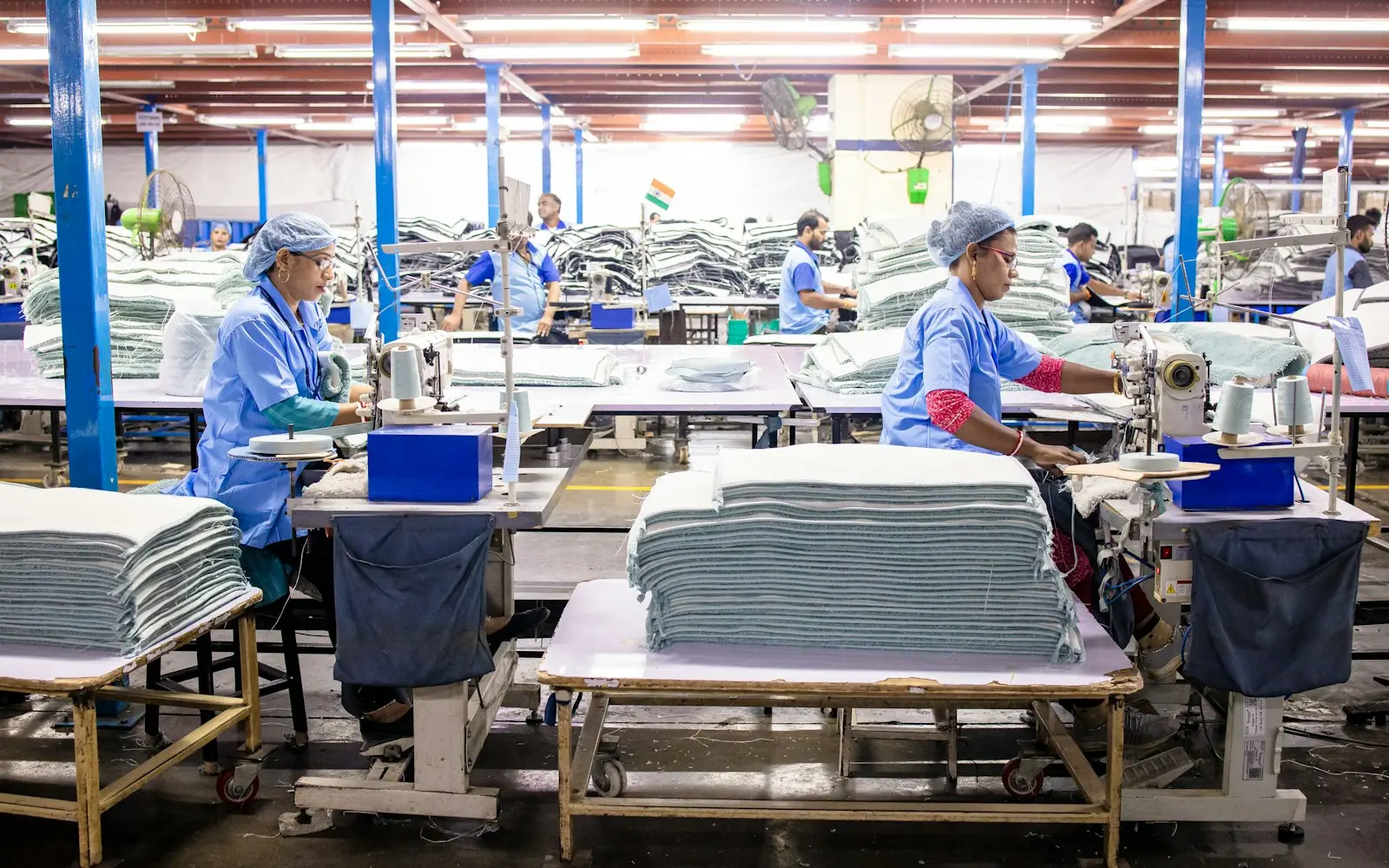
Food and beverage manufacturing depends on formulas that scale and swap ingredients constantly, on shelf life that runs out whether or not software tracks it, and on the constant chance of a recall that must trace a contaminated lot forward and backward within hours. A generic manufacturing ERP treats a recipe like the bill of materials for a mechanical part. That approach misses catch-weight pricing, ingredient substitution, and allergen cross-contact altogether.
We build ERP systems around recipe and formula management as a first-class structure: yield percentages, ingredient substitution rules, and allergen tagging that flows automatically from raw material to finished product labeling. Lot traceability is built to support a recall investigation from day one, tracing any lot forward to every shipment and backward to every input, since retrofitting traceability after a co-packer relationship or a customer audit demands it is far costlier than designing it in from the start.
Shelf-life management and FEFO (first-expired, first-out) picking logic get built into warehouse operations, and production scheduling coordinates with co-packers and outside production runs where they exist. The result is a system built around how food is actually made and sold, not a mechanical parts list with a recipe forced onto it.
The problem
How food & beverage projects differ
Recipe and formula management at scale
Formulas need to scale up and down by batch size, account for ingredient substitutions and yield loss, and recalculate cost accurately every time, which a flat bill of materials structure was never built to do.
Allergen tracking through the supply chain
Allergen data has to flow automatically from raw material to intermediate product to finished goods labeling, since a manual tracking process is exactly where cross-contact risks get missed.
Lot traceability fast enough for a recall
A recall requires tracing a contaminated lot forward to every customer shipment and backward to every raw material input within hours, and manual record searches simply cannot move that fast.
Shelf life and FEFO picking
Perishable inventory needs first-expired, first-out picking logic enforced at the warehouse level, or product ages past sellable shelf life sitting behind newer stock.
Catch-weight pricing and co-packer coordination
Products sold by variable weight need pricing calculated at time of pick or ship, and production runs handled by outside co-packers need the same traceability and quality data as in-house production.
Scope
Features we often include
Recipe and formula management
Formulas with scalable batch sizes, yield percentages, and substitution rules, recalculating cost and nutritional data automatically as ingredients change.
Allergen and ingredient tracking
Allergen tags carried automatically from raw material through intermediate products to finished goods, feeding label generation and cross-contact alerts.
Lot traceability for recalls
Forward and backward lot traceability from raw material to finished shipment, built to support a recall investigation within hours rather than days.
HACCP and quality record-keeping
Critical control point records tied to specific production runs and lots, structured to support FSMA and HACCP documentation requirements.
Shelf life and FEFO warehouse logic
Expiration dates tracked per lot with first-expired, first-out picking enforced at the warehouse and route level.
Catch-weight pricing
Variable-weight products priced at time of pick or ship, feeding accurate invoicing without manual weight-to-price conversion.
Co-packer and outside production coordination
Production orders and quality data extended to co-packer relationships, keeping traceability consistent regardless of who physically produces the batch.
Compliance and standards
- FSMA
- HACCP
- FDA food facility registration recordkeeping
- allergen labeling requirements (FALCPA)
Common integrations
- scale and catch-weight hardware
- warehouse barcode scanners
- EDI with retailers and distributors
- NetSuite
- cold-chain temperature sensors
Approach
How these projects run
We start with the recipe and traceability requirements, mapping how formulas scale, which allergens are in play, and exactly what a current recall drill (or the lack of one) looks like today. That mapping shapes the data model for lots, batches, and finished goods before we build any warehouse or production scheduling screens.
We test lot traceability against a simulated recall scenario before go-live, tracing a sample lot forward and backward through the system to confirm the query returns a complete answer in minutes, not through a manual spreadsheet exercise. Recipe costing and catch-weight pricing get validated against real historical batches before cutover, and your team owns the codebase from the first commit.
Typical stack
Related solutions
Systems in this space
- Inventory Management SystemsStock tracking across warehouses and sales channels that prevents overselling and gives you a reorder point you can rely on.
- System IntegrationConnecting the CRM, ERP, billing and internal systems you already run, so data moves between them with nobody copying it by hand.

- BI & Reporting DashboardsReporting on a single data model in place of five spreadsheets, with dashboards that stay quick against years of history.

FAQ
Frequently asked questions
How does a food and beverage ERP support recall traceability?
We build lot tracking so every batch records which raw material lots went into it and which finished goods shipments it went out to, allowing a forward-and-backward trace within the system rather than through manual spreadsheet reconciliation. Testing this against a simulated recall scenario before go-live confirms the trace actually returns a complete answer in minutes.
Can the ERP manage recipes with ingredient substitutions and yield loss?
Yes, we build formula management to handle scalable batch sizes, substitution rules for alternate ingredients, and yield percentages, recalculating cost and allergen data automatically whenever a formula changes. This replaces a flat bill of materials structure that was never designed for how food formulas actually work.
What is FEFO picking and does our warehouse need it?
FEFO means first-expired, first-out picking, where the warehouse system directs staff to pick the soonest-expiring inventory first rather than the most recently received. Any operation handling perishable goods needs this enforced at the system level, since manual FEFO discipline tends to break down under normal warehouse pressure.
How long does it take to build a custom food and beverage ERP?
A focused system covering recipe management, lot traceability, and basic inventory typically takes a few months, with HACCP record-keeping, catch-weight pricing, and co-packer coordination adding time depending on scope. We scope the specific compliance and traceability requirements during discovery rather than assuming a standard build.
Does the system handle allergen tracking automatically or does someone still need to check labels manually?
Allergen data is tagged at the raw material level and carries forward automatically through every recipe and production run that uses it, flagging potential cross-contact and feeding label generation directly. This removes the manual cross-checking step that is the most common place allergen errors slip through.


Insights
Further reading
- 7 min readCustom ERP vs Odoo ComparedCustom ERP vs Odoo compared fairly on setup speed, module coverage, licensing cost at scale, and fit for a genuinely unique production process.

- 6 min readWhat Custom ERP Development CostsCustom ERP development cost starts around $80,000 for a single-module system and reaches $500,000 or more for a multi-site platform. See what drives it.
- 7 min readERP vs CRM and Which Your Business Needs FirstERP vs CRM compared: what each system manages, where the two overlap, and how to decide which one your business should implement first.

Plan food and beverage erp software with a free estimate
Send a short description of the project. A senior engineer reads each request and answers with questions, next steps and an early budget range.