Solution
Cloud Migration Services
Planned waves of moving existing workloads to the cloud, with a migration strategy picked for each workload and no single approach forced on everything.
NDA on request · Free, no-obligation estimate · Reply within one business day
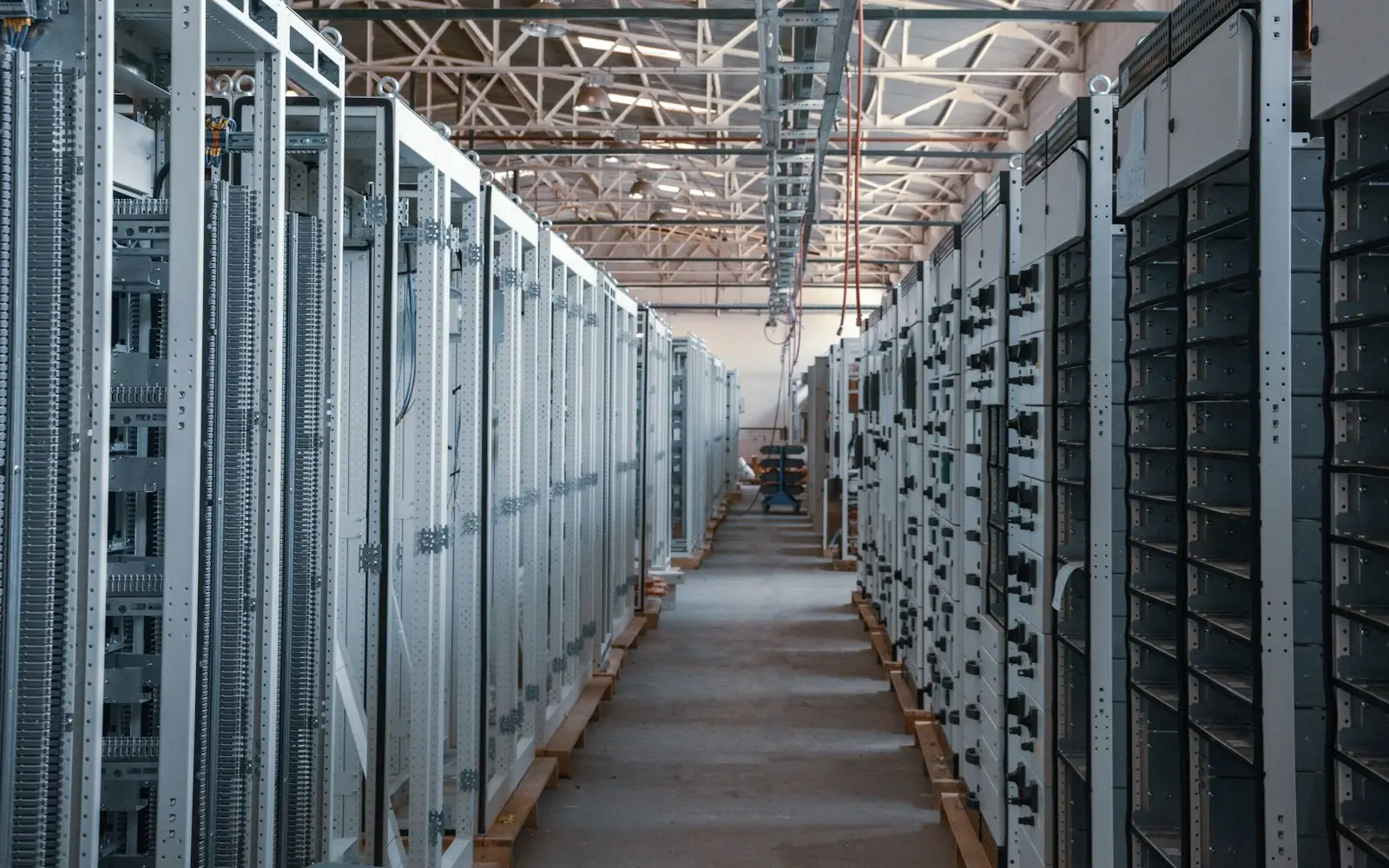
Cloud migration is a project with a defined end. It moves workloads that run on-premises or on another cloud into a target environment, and it differs from the ongoing practice of operating and improving cloud infrastructure afterward. The work begins with learning what depends on what, since most environments hide more undocumented dependencies between systems than anyone anticipates at the start.
We treat each workload on its own terms. Some genuinely just need a lift-and-shift onto equivalent cloud infrastructure. Others are worth replatforming onto managed services along the way, and a few are worth refactoring because the current architecture is itself the reason costs or scaling are a problem.
Scope
Core features
Workload discovery and dependency mapping
Every system, its data flows, and its dependencies get documented before migration planning starts, since undocumented dependencies are the most common cause of a failed cutover.
A migration strategy chosen per workload
Each workload gets assessed for rehosting as-is, replatforming onto managed services, or refactoring its architecture, rather than a single approach applied uniformly regardless of fit.
Cost modeling before migration, not after
Target infrastructure gets sized and estimated against real usage patterns before the move, so the cloud bill after migration is a known quantity rather than a surprise.
Phased migration waves
Workloads move in planned waves, starting with lower-risk systems to validate the process before higher-risk, higher-dependency systems migrate later in the project.
Data migration with minimal downtime
Data replicates continuously into the target environment ahead of cutover, so the actual cutover window is short and validated rather than a long, high-risk migration event.
Network and security architecture in the target cloud
VPC design, IAM roles, and security groups get built to match or improve on the access controls of the current environment, not just replicate old permissions without review.
Observability validated before cutover
Monitoring and alerting in the new environment get tested against real traffic before it becomes the primary environment, so an issue after cutover is caught immediately rather than discovered by a customer.
A post-migration cost optimization pass
After the migration stabilizes, resource sizing gets revisited against actual usage, since initial estimates are conservative and real workloads often run efficiently on less than originally provisioned.
Architecture
Choices that shape the build
Rehost, replatform, or refactor, decided per workload
A workload that is stable and rarely changed is often a safe candidate for a straight lift-and-shift, while one that is the current source of cost or scaling problems is usually worth replatforming or refactoring during the move rather than after.
Minimizing downtime during cutover
Continuous replication ahead of a short, validated cutover window keeps downtime to minutes rather than hours, compared to a single large migration event with no dry run.
Egress costs and avoiding new lock-in
Data transfer costs and how tightly a workload gets coupled to a specific cloud provider's proprietary services both get weighed during the strategy decision, not discovered later in a bill.
Security and compliance parity in the new environment
Access controls, encryption, and audit logging in the target cloud get matched against or improved on what the current environment provides, since a migration is a common point where a control quietly gets dropped.
A rollback plan for every migration wave
Each wave includes a defined way to route traffic back to the original environment if validation fails after cutover, rather than a one-way move with no fallback.
Build vs buy
When to build and when to buy
For workloads that are stable and do not need architectural change, a straight lift-and-shift using the cloud provider's own migration tooling, such as AWS Application Migration Service or Azure Migrate, is often enough and does not need heavy custom engineering around it. We recommend that path when the goal is simply exiting a data center or a contract, not improving the architecture.
Replatforming or refactoring during the move is worth the extra effort when the current architecture is itself limiting cost efficiency or scaling in ways a lift-and-shift will not fix, since migrating a poorly performing system as-is just moves the same problem onto a new bill.
Delivery
How delivery is phased
Discovery and dependency mapping
We map every workload, its dependencies, and its data flows, and flag anything undocumented that migration planning depends on. This typically takes a few weeks for a mid-sized environment.
Migration strategy and a pilot workload
A strategy gets set per workload, and a lower-risk workload migrates first as a pilot to validate the process and tooling before the rest of the environment follows.
Phased migration waves
Remaining workloads move in planned waves, ordered by risk and dependency, with validation at each wave before the next one begins. This is usually the longest phase, often running several months for a large environment.
Cutover and post-migration optimization
Final cutover happens after each wave's target environment is validated under real traffic, followed by a cost and performance optimization pass once the new environment has stabilized.
Technology
Stack we usually choose
FAQ
Questions about Cloud Migration
What is the difference between rehosting and replatforming in a cloud migration?
Rehosting moves a workload to the cloud with little or no change to its architecture, similar to a lift-and-shift. Replatforming makes targeted changes during the move, such as swapping a self-managed database for a managed cloud database, to gain efficiency without a full redesign.
How do you migrate a database with minimal downtime?
The source database replicates continuously into the target environment ahead of time, so the actual cutover is a short window where the application switches to the new database once replication is confirmed current, rather than a long copy operation happening during the outage.
Should we lift and shift or refactor during a cloud migration?
Lift and shift is usually right for stable workloads where the goal is simply exiting current infrastructure. Refactoring is worth the extra time when the current architecture is itself the reason for high costs or scaling limits, since migrating it unchanged just moves the same problem to a new bill.
How much can cloud migration reduce infrastructure costs?
It depends on how over-provisioned the current environment is and which workloads get replatformed onto managed services during the move. We model expected costs against real usage data before migration rather than quoting a general savings figure.
What happens if a migration wave fails during cutover?
Each wave includes a rollback plan that routes traffic back to the original environment, since the source system stays running and in sync until the target environment is validated under real production traffic.
Services
Services this draws on
- Cloud & DevOpsWe design cloud infrastructure as code, build CI/CD pipelines and prepare your team for incidents before they happen.

- Custom Software DevelopmentWe build software around the processes your business already runs on, so operations no longer depend on spreadsheets, workarounds and tools never built for your workflow.

- Backend DevelopmentWe build the server-side systems beneath your product, including data models, business logic, queues and the infrastructure that keeps them fast under load.

- Software Maintenance & SupportInherited codebases, security patches and dependency upgrades handled by a team that keeps production running under a defined support SLA.
Industries
Industries that commission this
- ManufacturingShop floor, ERP and traceability software linking PLC data to the systems your planners and OEM customers rely on.

- Logistics & Supply ChainFreight, warehouse and fleet software that handles EDI 204/214/210 with your trading partners and holds up accurately in the field.

- Fintech & BankingFinancial software with KYC/AML checks and PCI DSS-aligned payment flows designed in from the schema onward, with ledgers that reconcile to the cent.

- HealthcareClinical and patient-facing software that meets HIPAA technical safeguards and connects to the EHR your care teams already work in.

Insights
Further reading
- 8 min readWhat Custom Software Development CostsCustom software development cost runs from $15,000 for a simple internal tool to $500,000 or more for enterprise platforms. This guide covers what drives it.

- 7 min readFixed Price vs Time and Materials ContractsFixed price vs time and materials decides who carries scope risk, how change requests run, and what a software project costs. See how to choose.

- 7 min readSoftware Development Project Planning in PracticeSoftware development project planning decides whether a build stays on schedule. This guide covers scope, methodology, risk and the documents that count.

Discuss your cloud migration project
Send a short description of the project. A senior engineer reads each request and answers with questions, next steps and an early budget range.