Solution
Legacy Software Modernization
An aging system gets replaced piece by piece behind a stable interface, so the business keeps running while the software beneath it changes.
NDA on request · Free, no-obligation estimate · Reply within one business day
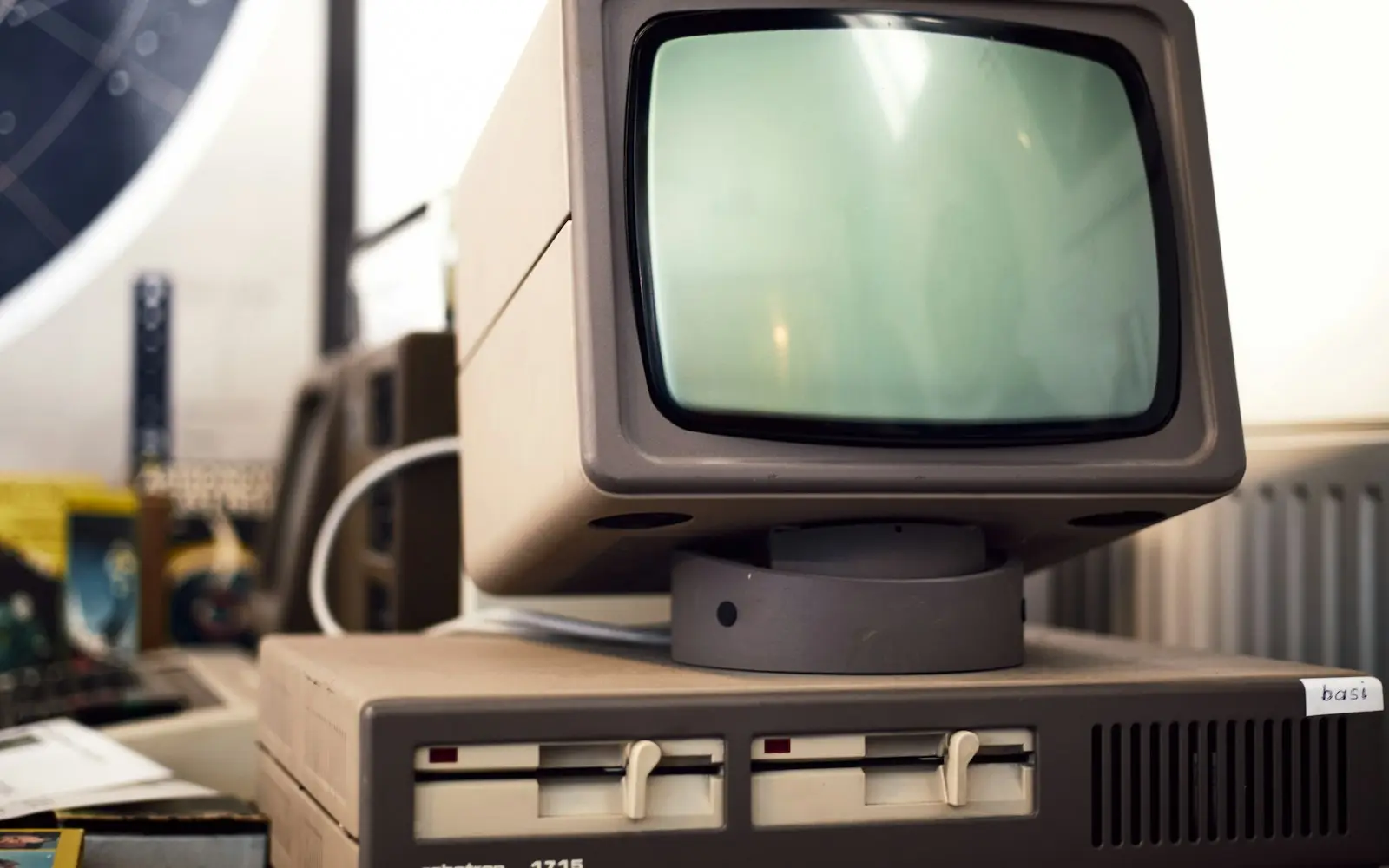
Legacy systems rarely fail all at once. Hiring for them gets harder, framework patches stop shipping, the one engineer who understood a module leaves, and each new feature takes longer than the last because nobody is sure what else a change will break. Modernization usually works best as an incremental replacement that keeps the business running throughout, and a rewrite from scratch seldom does.
We use the strangler fig pattern on most engagements: new functionality is built alongside the legacy system and traffic is routed to it module by module, so the old system keeps handling everything that has not been replaced yet. A full rewrite gets proposed less often than people expect, because it usually recreates the original timeline risk under a new name.
Scope
Core features
Incremental replacement with the strangler fig pattern
New functionality is built as separate services and traffic is routed to them module by module, so the legacy system keeps running everything that has not been migrated yet.
An API layer in front of the legacy system
New features and other systems integrate against a stable API contract instead of the legacy system's internals directly, which lets the legacy code keep changing underneath without breaking consumers.
Change data capture for phased data migration
Changes in the legacy database get streamed into the new schema as modules migrate, so both systems stay in sync during the transition instead of running two databases that quietly diverge.
Characterization tests before any refactor
Tests get written against the legacy system's actual current behavior before it is touched, which catches business rules nobody remembered were there the moment a refactor changes them.
Security and dependency patching along the way
Unsupported libraries and frameworks get upgraded or replaced as part of the modernization work, closing the vulnerabilities that come from running dependencies past their end of support.
UI modernization decoupled from the backend rewrite
The interface can be modernized on its own timeline in front of the existing backend, delivering a visible improvement without waiting for the full backend migration to finish.
Documentation of the business rules found along the way
Legacy systems accumulate rules nobody wrote down. As those rules surface during the rewrite, we document them so the next change does not have to rediscover them the hard way again.
A rollback plan at every cutover step
Each module migration includes a way to route traffic back to the legacy system if something breaks, rather than a one-way cutover with no way back.
Architecture
Choices that shape the build
Strangler fig versus a full rewrite
A full rewrite recreates the original project's risk under a new name and often stalls before completion. Incremental replacement costs more in coordination but keeps the business running the entire time.
Running two systems in parallel during the transition
For a period, the legacy system and the new services both exist and both need to keep working correctly, which adds real operational overhead that has to be planned for, not treated as a footnote.
Reverse-engineering undocumented business rules
Legacy code often encodes decisions nobody remembers making, like a specific tax exception or a discount rule for one large customer, that only surface once the characterization tests are written.
Data integrity across two data stores during migration
Change data capture or a dual-write strategy keeps the legacy and new databases consistent during the transition, and reconciliation checks catch drift before it reaches production reports.
Institutional risk of touching a system nobody fully understands
Modernization work often starts with mapping dependencies and running the system through its edge cases, since the biggest risk is usually not the new code but an assumption about the old code that turns out to be wrong.
Build vs buy
When to build and when to buy
Replacing a homegrown system outright with a modern off-the-shelf platform, such as moving a custom-built CRM to Salesforce or a homegrown ERP to NetSuite or Odoo, is often the smarter move when the legacy system's logic is not actually differentiating for the business, just old. Buying wins when the legacy code is essentially a worse version of a problem those platforms already solved.
Modernizing in place is the right call when the system encodes real competitive logic or domain-specific rules, built over years of edge cases, that no off-the-shelf platform can reproduce without heavy customization of its own. In that case, the value is in the accumulated business logic, and the goal is a modern, supportable version of it rather than a replacement.
Delivery
How delivery is phased
Assessment and dependency mapping
We map what the legacy system actually does, its dependencies, its worst technical risks, and which modules are safest to migrate first. This typically takes a few weeks depending on system size.
Characterization tests and the API seam
Tests capture current behavior and an API layer gets introduced in front of the legacy system, creating the seam that later migration work will use to swap pieces out safely.
Incremental migration, module by module
Modules move behind the API seam one at a time, in order of risk and business value, with traffic routed gradually and a rollback plan at each step. This phase usually runs the longest, over several months for a substantial system.
Decommission the legacy system and stabilize
Once traffic has fully moved off a legacy module, it gets decommissioned, and the team spends a stabilization period addressing anything that only surfaces under full production load.
Technology
Stack we usually choose
FAQ
Questions about Legacy Software Modernization
What is the strangler fig pattern in legacy modernization?
It is an approach where new functionality is built as separate services alongside the legacy system, with traffic routed to the new code module by module. The legacy system keeps handling everything not yet migrated, which avoids the all-or-nothing risk of a full rewrite.
Should we rewrite our legacy system or replace it with off-the-shelf software?
If the system mostly reproduces functionality a mature platform like Salesforce, NetSuite, or Odoo already handles well, replacing it is usually cheaper and faster. If it encodes years of business-specific rules that give you a real operational advantage, modernizing that logic in place is usually worth more than starting over on someone else's platform.
How do you migrate data without downtime during modernization?
Change data capture streams changes from the legacy database into the new schema continuously during the transition, so both stay in sync. Cutover for each module happens once the new data store has been validated against the old one, rather than in one large migration event.
How long does legacy system modernization take?
It depends heavily on system size and how many modules need migrating. A single high-risk module can typically be assessed and migrated in a few months, while a full modernization of a large monolith is usually planned in phases over a year or more.
What is the risk of a full rewrite compared to incremental modernization?
A full rewrite has to reach feature parity with the old system before it can replace it, which means the business gets no benefit until the very end and any delay pushes that benefit out further. Incremental modernization delivers working improvements module by module, so value shows up throughout the project instead of only at the finish.
Services
Services this draws on
- Custom Software DevelopmentWe build software around the processes your business already runs on, so operations no longer depend on spreadsheets, workarounds and tools never built for your workflow.

- Backend DevelopmentWe build the server-side systems beneath your product, including data models, business logic, queues and the infrastructure that keeps them fast under load.

- API DevelopmentWe design, build, document and version REST and GraphQL APIs so partners can integrate without asking your engineers for help.

- Software Maintenance & SupportInherited codebases, security patches and dependency upgrades handled by a team that keeps production running under a defined support SLA.
Industries
Industries that commission this
- ManufacturingShop floor, ERP and traceability software linking PLC data to the systems your planners and OEM customers rely on.
- InsurancePolicy administration, claims and underwriting software that speaks ACORD with carriers, MGAs and agents from the first integration attempt.

- Logistics & Supply ChainFreight, warehouse and fleet software that handles EDI 204/214/210 with your trading partners and holds up accurately in the field.

- Fintech & BankingFinancial software with KYC/AML checks and PCI DSS-aligned payment flows designed in from the schema onward, with ledgers that reconcile to the cent.

Insights
Further reading
- 8 min readWhat Custom Software Development CostsCustom software development cost runs from $15,000 for a simple internal tool to $500,000 or more for enterprise platforms. This guide covers what drives it.

- 7 min readFixed Price vs Time and Materials ContractsFixed price vs time and materials decides who carries scope risk, how change requests run, and what a software project costs. See how to choose.

- 7 min readSoftware Development Project Planning in PracticeSoftware development project planning decides whether a build stays on schedule. This guide covers scope, methodology, risk and the documents that count.
Discuss your legacy software modernization project
Send a short description of the project. A senior engineer reads each request and answers with questions, next steps and an early budget range.