Energy & Utilities · Field Service Management Software
Utility Field Service Management Software
Crew dispatch organized around grid topology, certification and permit-to-work sign-off in place of a generic technician calendar.
NDA on request · Free, no-obligation estimate · Reply within one business day
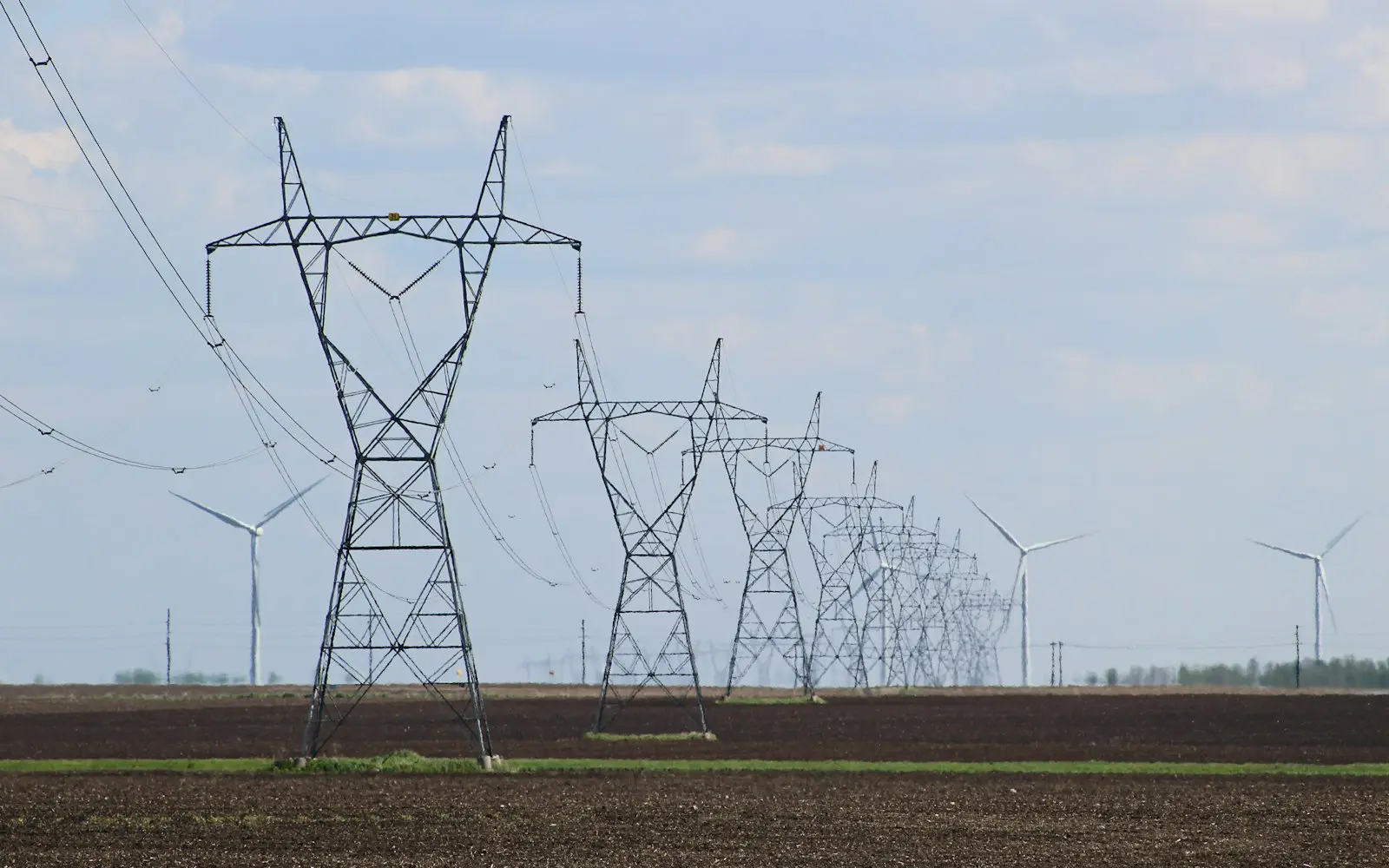
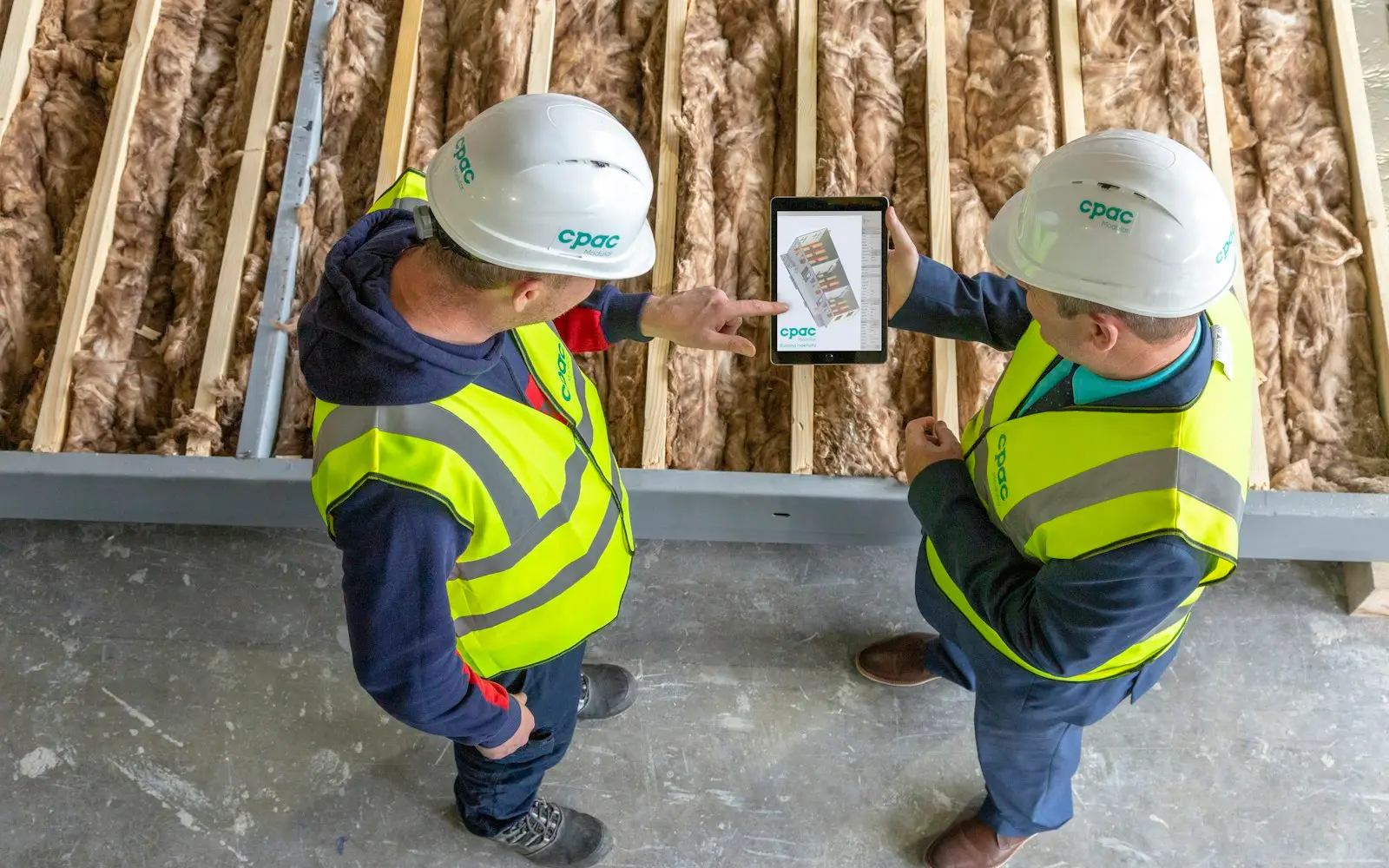
Safety documentation comes before scheduling when a crew goes to work on an energized line, because OSHA's rules for electric power generation, transmission and distribution work require a clearance or permit-to-work process before certain jobs begin. A field service tool made for HVAC or plumbing dispatch has no concept of that step. A utility using generic trades software ends up tracking clearance sign-off on paper next to a digital schedule that does not know the paper process exists.
Dispatch itself works differently for a utility than for a trades business. A generic system matches the nearest available technician to a job; a utility needs a crew certified for that voltage class, routed by grid topology rather than straight-line distance, since the closest crew by GPS might sit on the wrong side of a substation boundary that changes real travel time. During a major storm, that problem multiplies: utilities routinely bring in mutual aid crews from other companies for restoration, and those visiting crews need assignments, safety documentation, and status tracking inside the same system local crews use, not a spreadsheet passed around a staging area.
We build field service systems around permit-to-work and clearance documentation, crew certification matching, GIS-aware dispatch tied to actual grid topology, and mutual aid crew coordination for storm restoration, wired into the utility's existing outage management and asset systems.
Requirements
What energy & utilities teams need from it
Permit-to-work and clearance documentation before energized work
Certain classes of work on the grid require a documented clearance or permit-to-work sign-off under OSHA's electric power work standards before a crew can begin, and that documentation needs to be part of the same system managing the job, not a separate paper process running alongside the schedule.
Crew certification and qualification matching
Only crews certified for a specific voltage class or type of equipment can be assigned to certain jobs, so dispatch logic needs to check qualifications before assignment rather than relying on a dispatcher's personal knowledge of who's qualified for what.
Dispatch based on grid topology, not straight-line distance
The closest crew by GPS distance may be on the wrong side of a substation or feeder boundary that materially changes real travel time and access, so dispatch needs to route against the grid's actual topology in GIS rather than simple proximity.
Mutual aid crew coordination during storm restoration
Major storms routinely bring in crews from other utilities under mutual aid agreements, and those visiting crews need job assignments, safety documentation, and status tracking inside the same system local crews use rather than a separate spreadsheet at a staging area.
Inspection scheduling tied to regulatory intervals
Pole inspections and vegetation clearance along transmission and distribution rights-of-way run on intervals set by NERC vegetation management standards and state reliability requirements, and a missed cycle becomes a reportable compliance failure on top of the operational gap.
Scope
Features we build
Permit-to-work and clearance documentation
Jobs requiring a clearance or permit-to-work sign-off capture that documentation as part of the job record itself, with work blocked from starting until the required sign-off is logged.
Crew certification and qualification matching
Dispatch checks a crew's certifications against a job's voltage class and equipment requirements before assignment, preventing an uncertified crew from being routed to a job they aren't qualified for.
GIS-based dispatch and routing
Crew assignment accounts for actual grid topology, substation and feeder boundaries, and known access points, rather than treating the grid as an open map with straight-line distances.
Storm restoration and mutual aid tracking
Visiting mutual aid crews get job assignments, safety documentation, and status tracking inside the same system local crews use, giving restoration command a single view of every crew working the event.
Meter technician workflows
Meter installs, exchanges, and reads assign as their own job type, tied into the utility's meter data management system so a completed exchange updates the customer's meter record immediately.
Vegetation management work orders
Tree trimming and clearance work along transmission and distribution easements schedules against the utility's rights-of-way data, tracked against the inspection cycle each segment is due for.
Regulatory inspection interval scheduling
Pole, transformer, and line inspections generate work orders automatically based on the interval their regulatory standard requires, flagging overdue inspections before they become a compliance issue.
Offline-capable technician app for rural coverage
Crews working in rural areas or damaged infrastructure zones with no signal can still view job details, log clearance sign-offs, and capture completion data, syncing once connectivity returns.
Compliance and standards
- OSHA 1910.269 electric power generation, transmission, and distribution work standards
- NERC FAC-003 vegetation management standard
- state public utility commission reliability reporting
Systems it connects to
- Esri ArcGIS Utility Network
- Itron
- Oracle Utilities
- IBM Maximo
- Salesforce Field Service
- Twilio
Build vs buy
When to build it and when to buy it
Oracle Utilities Mobile Workforce Management and Salesforce Field Service both cover standard utility crew dispatch, mobile job execution, and basic GIS awareness well, and a utility without unusual mutual aid or clearance documentation needs is often better served starting with one of these than a custom build, given how much utility-specific logic already ships in them.
Custom development is worth it when clearance and permit-to-work documentation must match a utility's own safety procedures more precisely than those platforms model by default, when mutual aid coordination needs to interoperate with systems partner utilities bring to a regional storm event, or when dispatch needs tighter integration with a proprietary GIS or outage management system than standard connectors support.
Technology
Stack we usually choose
FAQ
Frequently asked questions
How does the system document permit-to-work and clearance before a crew works on a line?
Jobs requiring a clearance or permit-to-work sign-off under OSHA's electric power work standards capture that documentation directly in the job record, and the system blocks the job from starting until the sign-off is logged, rather than relying on a separate paper form.
Can the system make sure only certified crews are dispatched to high-voltage jobs?
Yes, dispatch checks each crew's certifications against a job's voltage class and equipment requirements before assignment, which prevents a crew from being routed to work they aren't qualified for, something a dispatcher relying on memory alone can miss during a busy shift.
How does crew dispatch account for grid topology, not just crew location?
Assignment logic factors in actual grid topology from the utility's GIS data, including substation and feeder boundaries, rather than treating the service territory as an open map where the closest crew by straight-line distance is always the right choice.
Can the system coordinate mutual aid crews from other utilities during a storm?
Yes, visiting mutual aid crews receive job assignments, safety documentation, and status tracking inside the same system local crews use, which gives restoration command one consolidated view of every crew working a storm event instead of a separate spreadsheet at a staging area.
Does the system support meter technician workflows like installs and exchanges?
Yes, meter installs, exchanges, and reads assign as their own job type and tie into the utility's meter data management system, so completing an exchange in the field updates the customer's meter record immediately rather than requiring a separate manual update later.
How does vegetation management scheduling tie into inspection requirements?
Tree trimming and clearance work orders generate against the utility's rights-of-way data and track against the inspection cycle each segment is due for under NERC's vegetation management standard, flagging a segment before it falls out of compliance rather than after an audit catches it.
Services
Services this draws on
- Custom Software DevelopmentWe build software around the processes your business already runs on, so operations no longer depend on spreadsheets, workarounds and tools never built for your workflow.

- Mobile App DevelopmentWe build native and cross-platform mobile apps, handle App Store and Play Store submission, and design for the offline gaps and device permissions a phone has to cope with.

- API DevelopmentWe design, build, document and version REST and GraphQL APIs so partners can integrate without asking your engineers for help.

- Cloud & DevOpsWe design cloud infrastructure as code, build CI/CD pipelines and prepare your team for incidents before they happen.

Insights
Further reading
- 6 min readWhat Custom CRM Development Cost Looks LikeCustom CRM development cost starts near $40,000 for a focused pipeline tool and reaches $250,000+ for a multi-team platform with automation and reporting.

- 7 min readCustom Development vs No-Code ComparedCustom development vs no-code tools, compared on build speed, cost at scale, and where each approach holds up as your workflows grow more complex.

- 8 min readWhat Custom Software Development CostsCustom software development cost runs from $15,000 for a simple internal tool to $500,000 or more for enterprise platforms. This guide covers what drives it.

Discuss your field service management software for energy & utilities
Send a short description of the project. A senior engineer reads each request and answers with questions, next steps and an early budget range.