ERP Development · Retail & E-commerce
Retail ERP Software Development
ERP with a single inventory record across every channel, so an online sale cannot oversell a unit sitting in a store.
NDA on request · Free, no-obligation estimate · Reply within one business day

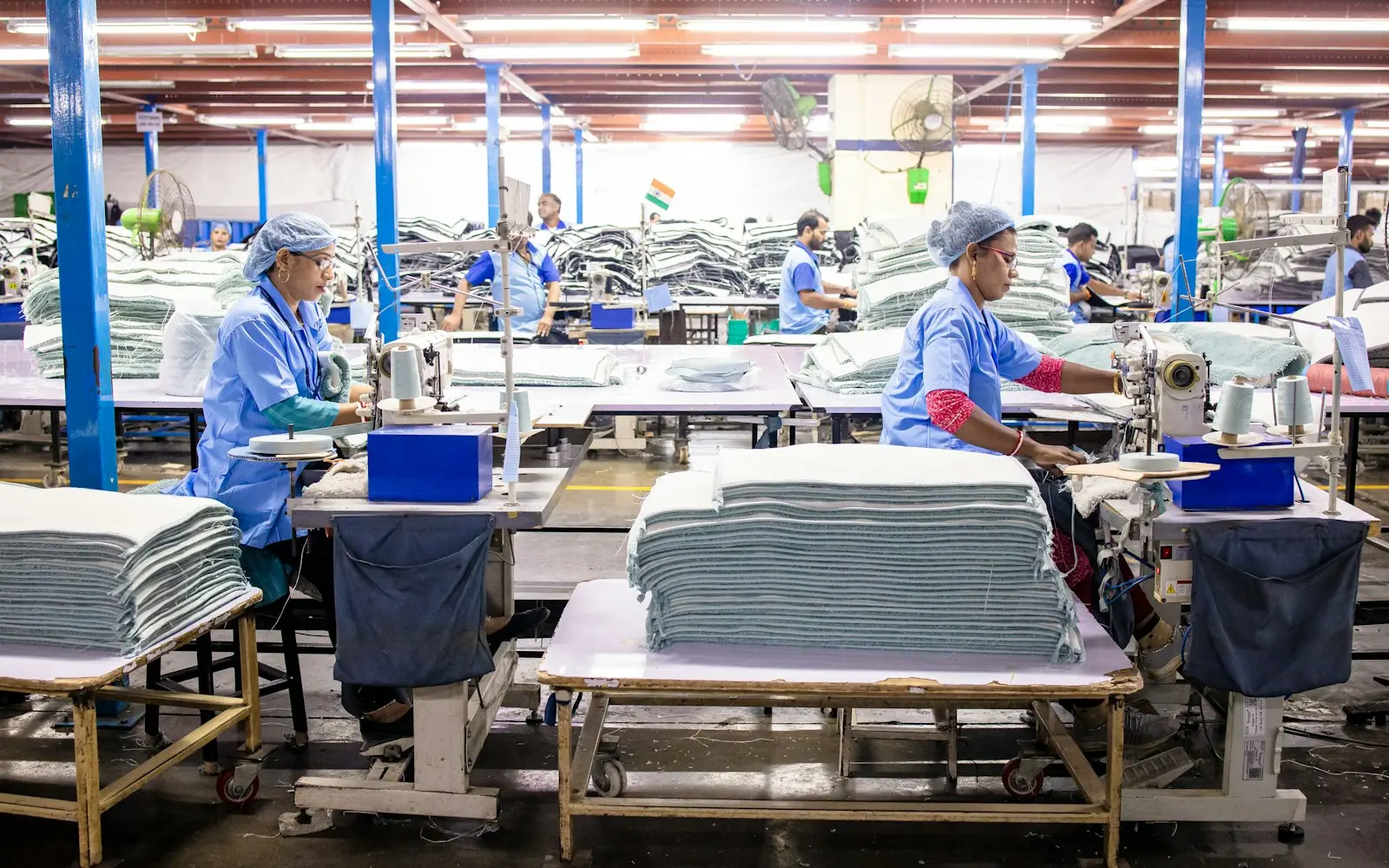
A retailer selling through a storefront, an ecommerce site, and perhaps a marketplace listing has three or four systems that each believe they own the count of remaining units. With no single inventory record behind them, overselling and stockouts are a question of when, and promotions make it worse because order volume spikes on every channel at once.
We build ERP systems where inventory, whether it sits in a store, a distribution center, or a 3PL's warehouse, is tracked as one record that every channel reads from and writes to, with reservations and allocation logic that prevent two channels from selling the same unit. Point-of-sale integration keeps in-store inventory current in real time, and vendor and purchase order management ties landed cost, including freight and duty, to actual product margin.
Tax automation, returns and RMA handling, and promotion and pricing rules get built around the same unified inventory model, so a return processed in-store correctly restocks inventory the ecommerce channel can immediately sell again, instead of sitting in a reconciliation queue for days.
The problem
How retail & e-commerce projects differ
Inventory sync across online and in-store channels
Without a single inventory source of truth, a unit can sell online and in-store within minutes of each other, creating an oversold order that has to be canceled or backordered after the customer already paid.
POS integration keeping store inventory current
In-store sales need to decrement the same inventory record the ecommerce site reads from in near real time, or the online storefront shows stock that walked out the door hours earlier.
Landed cost and vendor management
True product margin depends on freight, duty, and vendor terms layered onto unit cost, and a system that only tracks the invoice price gives a distorted picture of which products are actually profitable.
Returns and RMA processing across channels
A product bought online but returned in-store, or vice versa, needs to restock correctly and trigger the right refund path regardless of which channel handled the original sale.
Sales tax complexity across jurisdictions
Multi-state or multi-jurisdiction selling creates a tax calculation and filing burden that a manual process cannot keep pace with once transaction volume grows past a single storefront.
Scope
Features we often include
Unified inventory across channels
One inventory record shared across storefront, ecommerce, and marketplace channels, with reservation logic that prevents overselling a single unit twice.
POS integration
Point-of-sale transactions synced to the central inventory record in near real time, keeping online stock counts accurate against in-store activity.
Vendor and purchase order management
Purchase orders tracked against vendor terms and lead times, with landed cost (freight, duty, and fees) rolled into true product cost.
Cross-channel returns and RMA
Return authorization and restocking handled consistently whether the original sale was online, in-store, or through a marketplace.
Sales tax automation
Tax calculation and filing support across jurisdictions, reducing manual tax rate lookups as the business expands into new states or regions.
Promotion and pricing rules engine
Discount and promotion logic applied consistently across channels, avoiding the mismatched pricing that erodes customer trust.
Fulfillment and 3PL coordination
Order routing to the correct fulfillment location, whether a store, distribution center, or third-party logistics provider, based on inventory availability and shipping cost.
Compliance and standards
- PCI DSS
- sales tax nexus and filing requirements
- WCAG 2.2 (storefront accessibility)
Common integrations
- Shopify
- Lightspeed
- Square
- Avalara
- ShipStation
- NetSuite
Approach
How these projects run
We start by mapping every channel currently selling inventory and identifying where the inventory count actually lives today, since most retailers discover their "single source of truth" is really two or three spreadsheets reconciled manually at the end of each day. That map defines the inventory data model and reservation logic before any channel integration work begins.
We build and test the unified inventory model against a single high-volume SKU across all channels before extending it to the full catalog, since inventory sync bugs are far cheaper to catch on one product than across an entire assortment. POS and ecommerce integrations are validated against live transaction volume in a staging environment before cutover, and the codebase remains yours from the first commit.
Typical stack
Related solutions
Systems in this space
- Inventory Management SystemsStock tracking across warehouses and sales channels that prevents overselling and gives you a reorder point you can rely on.
- POS System DevelopmentOffline-first checkout, card processing and inventory sync for retailers and restaurants that have outgrown an off-the-shelf terminal.

- System IntegrationConnecting the CRM, ERP, billing and internal systems you already run, so data moves between them with nobody copying it by hand.

FAQ
Frequently asked questions
How does a retail ERP prevent overselling between online and in-store channels?
We build a single inventory record that every channel reads from and writes to, with reservation logic that holds inventory the moment an order is placed rather than only decrementing stock after a sale completes. This closes the timing gap where the same unit could otherwise be sold twice within minutes.
Can the ERP integrate with our existing POS system instead of replacing it?
In many cases yes, provided the POS system exposes an API or export feed the ERP can sync against in near real time. Where the existing POS is too limited to support real-time sync, we scope whether a POS migration makes more sense than building a workaround integration.
What is landed cost and why does it matter for retail margin reporting?
Landed cost is the true cost of a product once freight, duty, and vendor fees are added to the invoice price, and without tracking it, margin reports based on invoice cost alone overstate profitability on imported or freight-heavy products. We build landed cost calculation into vendor and purchase order management so margin data reflects reality.
How long does it take to build a custom retail ERP with omnichannel inventory?
A focused system covering unified inventory, POS integration, and basic purchase order management typically takes a few months, with tax automation and multi-location fulfillment logic adding time depending on scope. We validate the inventory model against one SKU before extending to the full catalog, which affects sequencing more than total timeline.
Does the ERP handle sales tax automatically across states?
We integrate with a dedicated tax engine like Avalara rather than building tax calculation logic from scratch, since jurisdiction rules change frequently and a specialized provider maintains that complexity for you. The ERP feeds transaction data to the tax engine and applies the calculated rate at checkout and invoicing.



Insights
Further reading
- 7 min readCustom ERP vs Odoo ComparedCustom ERP vs Odoo compared fairly on setup speed, module coverage, licensing cost at scale, and fit for a genuinely unique production process.

- 6 min readWhat Custom ERP Development CostsCustom ERP development cost starts around $80,000 for a single-module system and reaches $500,000 or more for a multi-site platform. See what drives it.

- 7 min readERP vs CRM and Which Your Business Needs FirstERP vs CRM compared: what each system manages, where the two overlap, and how to decide which one your business should implement first.

Plan retail erp software development with a free estimate
Send a short description of the project. A senior engineer reads each request and answers with questions, next steps and an early budget range.